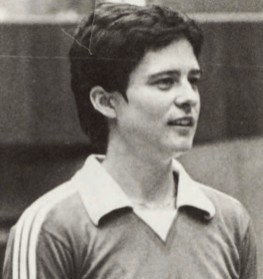
 Congratulations to Betty Baxter (BPE ’75), for her Hall of Fame Induction, highlighting her career in volleyball!
Betty played volleyball at UBC and was a member of the Thunderbirds team that won back-to-back National Inter-university Sport titles in 1972-73 and 1973-74. In 1974 she was named BC’s University Athlete of the Year. Betty is also a co-founder of the Canadian Association for the Advancement of Women in Sport and the National Coaching School for Women.
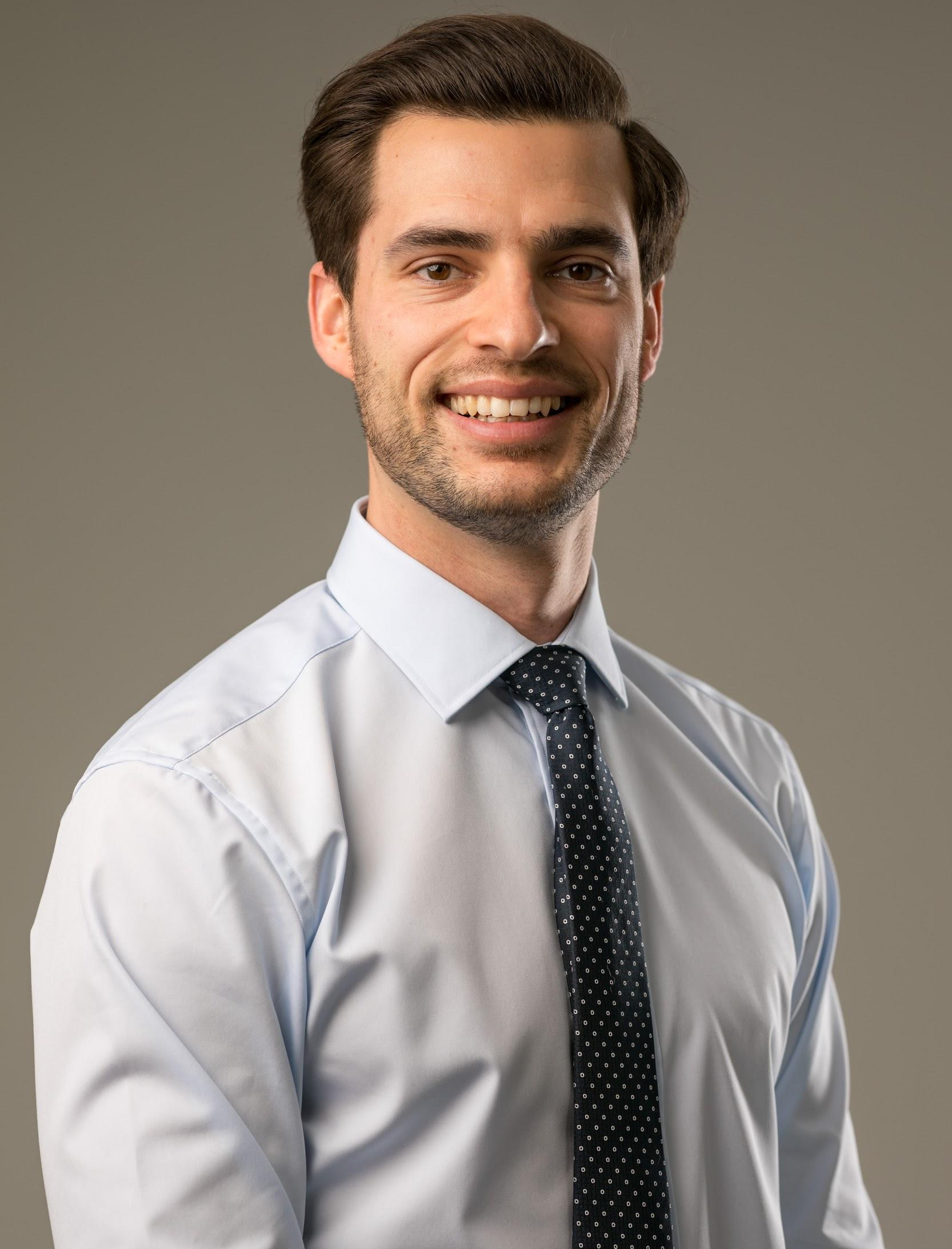 Joshua Britton, (BKin ’15) is a fourth-year medical student at the University of Saskatchewan. He is currently going through the Canadian Residency Matching System (CaRMS) and applying to be an orthopaedic surgery resident.
“Derek Monkman (BHK ’11, MPT ’13) inspired me to enroll in UBC KIN. He was a close highschool friend and soccer teammate back in Chilliwack. He told me how much he was loving his time in the KIN program. So I joined UBC KIN the next year and I will always owe Derek a true debt of gratitude for getting me started on this path.”
Josh interned with the Vancouver Whitecaps as an athletic therapist during his last 2 years at UBC. “It wasn’t until I was in my last year of KIN that I committed to pursuing medical school. And I studied for the MCAT the year after graduating while I worked as a personal trainer with Innovative Fitness in Kitsilano.”
When asked about his memories as a KIN student, Josh reflects, “I was on the KUS in my second last year and it was a great experience. I have amazing memories with people who became lifelong friends.” He describes Dr. Michael Koehle as someone who inspired his academic engagement with movement injuries. “I look back fondly at his class in Prevention of Sports Injuries, and realize how it guided my interests to where they are now.” Joshua states that the skills and knowledge he learned in KIN had a great impact on his decision to pursue medical school. “In working with Innovative Fitness, I was surrounded by a lot of fellow KIN grads and saw how the anatomical knowledge could be applied to help people improve their health and wellness through exercise and training.”
“Along with my KIN friend, Preet Gandhi (BKin ‘18), we’ve started a podcast series that makes health news entertaining and accessible for people outside of healthcare. Our show, Sicker than your Average Health Show, combines the different backgrounds that Preet and I have in global health and medicine, to bring a new spin to important health headlines our audiences might not be aware of. The first episodes cover headlines such as health workers being granted clearance to try Magic Mushrooms, how TikTok is changing health communication, and whether your future doctor could be a robot!”
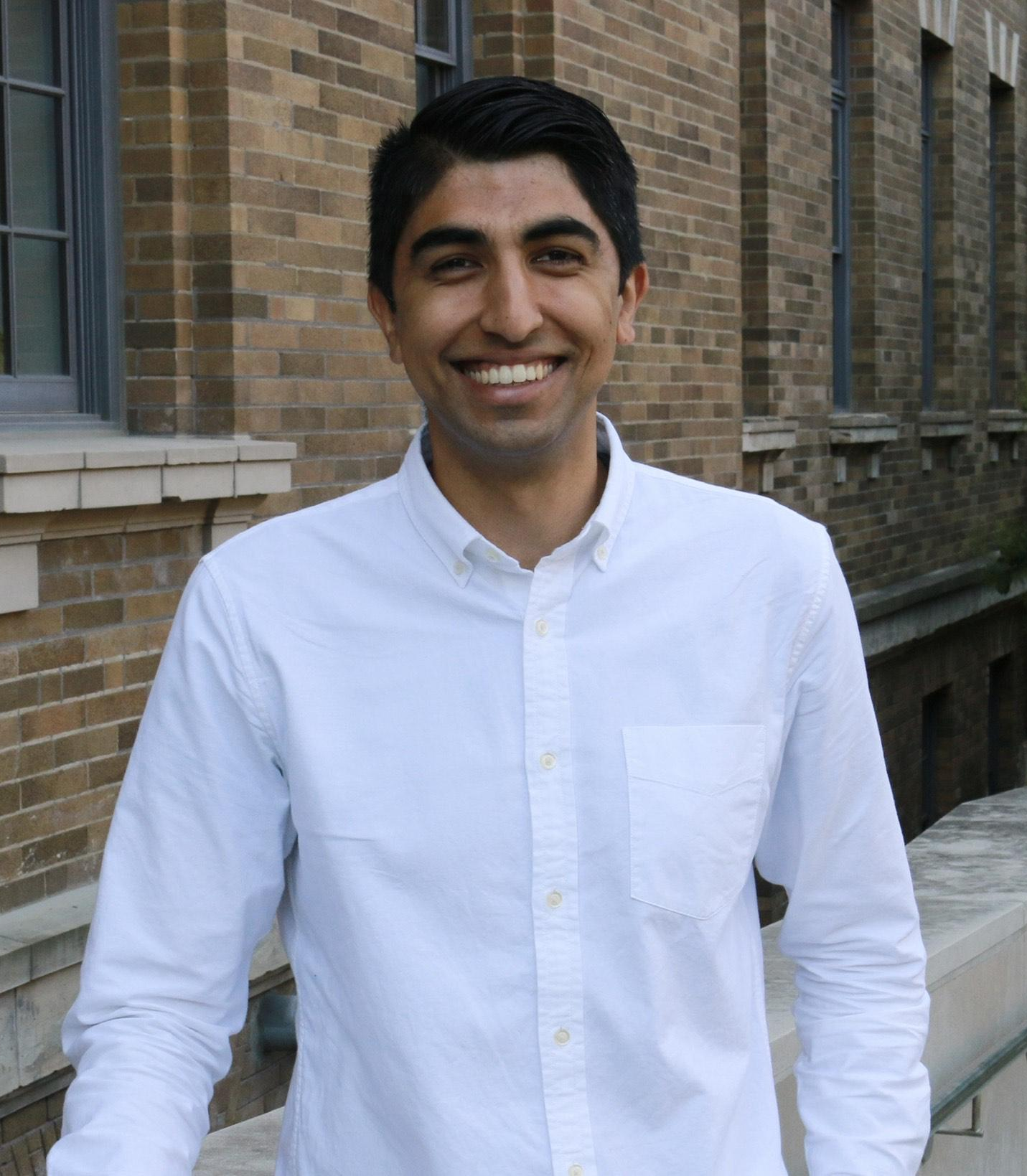 Preet Gandhi (BKin ‘18) is a Project Coordinator with the Ethics Quality Improvement Team at the William Osler Health System in Ontario, where he works on two gerontology projects funded by the World Health Organization and Health Canada. “After my degree, I transitioned to global health innovation, starting a position with Grand Challenges Canada in Toronto, and then working with an organization providing innovative health coverage in Kenya.” After completing his KIN degree, Preet went on to complete his Master’s (MSc) of Global Health at McMaster University in 2020.
While he was at UBC, Preet spent 3 years as a board member for the Ustawi Health Research Association, an organization that focused on providing resources and support for students looking to work in and learn about global health. “I also launched a global health club, and got involved in gerontology research through the UBC School of Nursing at that time.”
“As an undergrad, I enrolled in a graduate course on ‘Global Health and Human Security’, which allowed me to work with graduate students and professionals who were more experienced (and wiser!) than I. It was an incredible learning opportunity that opened my eyes to a host of potential careers.”
“I gained skills and knowledge from KIN that helped me transition into the field of global health innovation. I had fantastic sports sociology instructors including Dr. Brian Wilson and Shawn Forde. Their courses opened my eyes to the primary role of sport in improving community health and how programs can be developed in different parts of the world. I didn’t realize how much I had learned in those courses ‘til I’d been working in the field for a few months!” He says, “Dr. Carolyn McEwen was also a fantastic professor for my research methods course – I have been able to transfer these skills to many different areas of research now, from epidemiology to qualitative studies.”
“A benefit of the KIN program was getting to meet some great people!” Together with former KIN peer Josh Britton (BKin 2015), they started a podcast that makes health news entertaining and accessible for people outside healthcare. “Our show, Sicker than your Average Health Show, combines our different backgrounds in medicine and global health to bring a new spin to health headlines that our communities might not be aware of.”
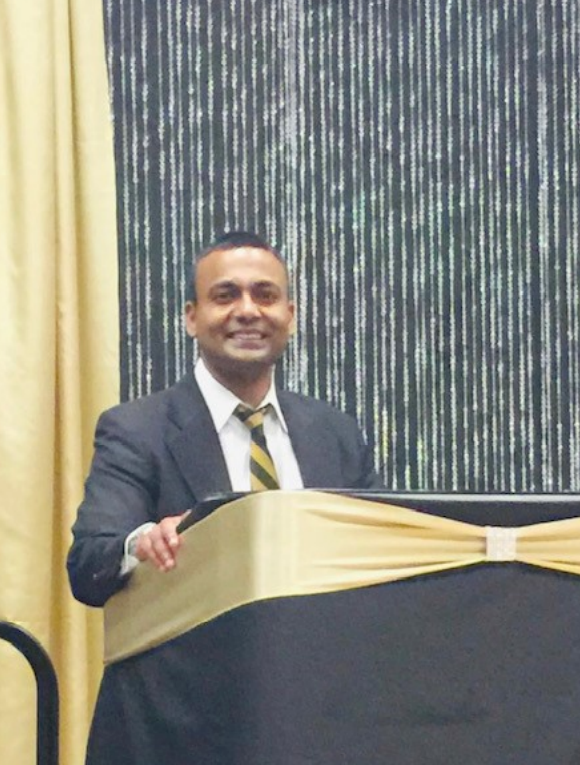 Sushant Raj (BHK ’95) works as a Notary Public who specializes in real estate transitions and estate planning. He has previously worked as an athletic director, academic counsellor, and physical education instructor.
Sushant says, “I thought I would be teaching for the entire duration of my professional career and then retire. However, my interests and career journey evolved and I chose to work as a Notary Public, performing solicitor duties specializing in real estate purchases, sales, financing, leasing and estate planning.”
Sushant recalls his student days in KIN fondly. “The skills that I learned were invaluable – communication, time management, social and athletic skills were all enhanced through my life at UBC. I worked full time, so I could never commit to the varsity teams but I loved training with the UBC football and rugby players in the “Dungeon in the War Memorial.” Sushant remembers “back in ‘92, or ‘93, Dr. Gary Sinclair made me send him an email saying, ‘this was the way the academic and business world would communicate in the days ahead,’ and I thought this man must be dreaming! – well, I guess, that’s why he was the teacher and I was the student!”
Sushant began teaching as a physical education teacher and coach at St. George’s School for Boys while completing his education degree at UBC in 1997; “I loved the travel, the athletics, and the interaction with the students.”
Sushant is a valued mentor in the UBC KIN Mentorship Program. “Mentoring has been a very rewarding experience because I have learned about the hopes and fears of the current students looking to transition from academia to a professional career. I am approaching 10 years in the program and enjoying each year.”
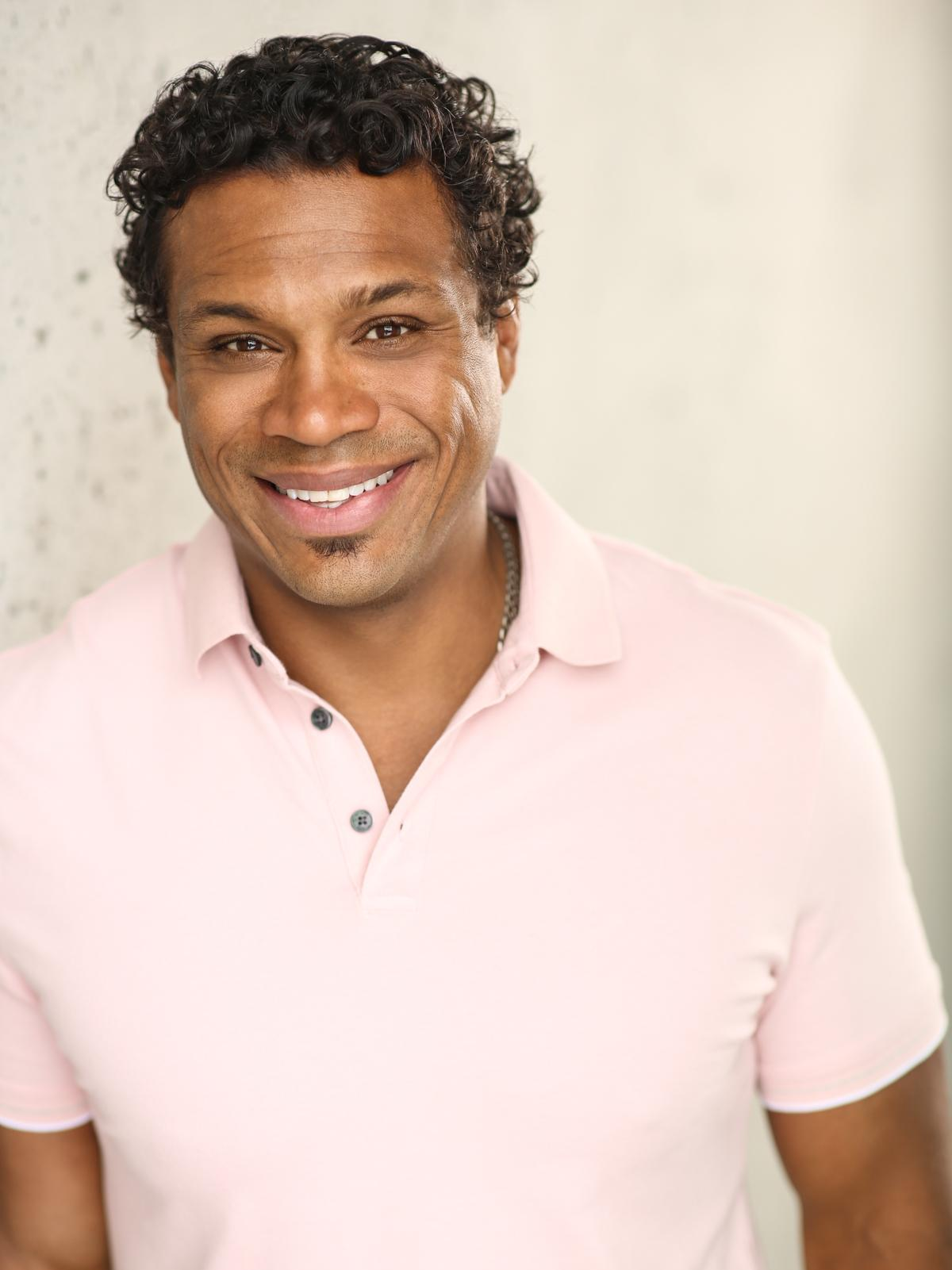 Joey came to UBC KIN as a transfer student from Langara College. “My background in sport led me naturally into this field. I played soccer, basketball, baseball, volleyball and rugby as a kid, so when I found out that I could study the body, activity and sports, I was eager to pursue it all!”
After he graduated from UBC, went to Sydney University in Australia for 6 months to play rugby in the club league. He went on to travel across more than 24 countries for 6 months. “It was one of the best experiences of my life. I bought a Eurorail pass, went to the train station and decided where I wanted to go at the moment. My travels took me from the South Pacific, to Western and Eastern Europe and throughout Asia.” Joey says, “I implore everyone, young or old, to explore the world. See what is out there. Try new foods. Go to a café and have a conversation with someone you don’t know.”
Once Joey returned home, he enrolled at BCIT to study International Trade and Transportation. Halfway through the program, Joey decided that after completing his diploma, he would obtain the certifications to become a firefighter. He has now been a firefighter with the City of Surrey since 2013!
Joey reflects on his time as a student at UBC, “my time at UBC taught me resilience, the importance of a lifetime of fitness, and how to critically think and understand the human body as much as I could. My degree gave me the knowledge to be as prepared as possible in pursuing my career as a firefighter.” Joey’s most memorable moments at UBC occurred during his Annual trips to CAL Berkeley with the Varsity rugby team. “We played in a home and away match called The World Cup every year and it was an aggregate of both scores. In 2005, my last year, we finally hoisted the Trophy at home!” Joey was most inspired by his rugby coach, Spence McTavish. “He played a huge role in not only my success on the rugby field, but also in life. He taught me to never give up, to always keep fighting.”
Joey is also a valued member of the KIN Mentorship program. He states, “I love being able to give back to the program that gave me the tools of learning for life. I look forward to doing it for many years to come, and sharing my passion for life, travel and happiness to students!”
For the full awards recipient list: Click Here.
Click on image to enlarge/download.
Awards:
- PRESIDENTIAL SCHOLARS MAJOR ENTRANCE SCHOLARSHIP
- THE PRESIDENTIAL SCHOLARS ENTRANCE SCHOLARSHIP FOR INDIGENOUS STUDENTS
- UNIVERSITY OF BC KINESIOLOGY / PHYSICAL EDUCATION ALUMNI SCHOLARSHIP
- THE UNIVERSITY OF B.C SCHOLARSHIP
Awards:
- TREK EXCELLENCE SCHOLARSHIP FOR CONTINUING STUDENTS
Awards:
- SCHOOL OF KINESIOLOGY INTERNATIONAL STUDENT SCHOLARSHIP
- OUTSTANDING INTERNATIONAL STUDENT AWARD
- BARBARA SCHRODT AWARD IN KINESIOLOGY
- DIANNA POPOWICH MEMORIAL SCHOLARSHIP
Awards:
- KILLAM GRADUATE TEACHING-ASSISTANT AWARD
- FACULTY OF EDUCATION GRADUATE, MASTERS AND PHD AWARD
Awards:
- FOUR YEAR FELLOWSHIPS
- ABORIGINAL GRADUATE FELLOWSHIP BRIDGE
- JOSEPHINE T BERTHIER AND WALTER C KOERNER FELLOWSHIPS
- CORDULA AND GUNTER PAETZOLD FELLOWSHIP
- NATURAL SCIENCES AND ENGINEERING RESEARCH COUNCIL (NSERC) CANADA GRADUATE SCHOLARSHIP MASTER’S AWARD
- NATURAL SCIENCES AND ENGINEERING RESEARCH COUNCIL (NSERC) CANADA GRADUATE DOCTORAL SCHOLARSHIP
- SOCIAL SCIENCES AND HUMANITIES RESARCH COUNCIL OF CANADA (SSHRC) GRADUATE DOCTORAL SCHOLARSHIP
- SOCIAL SCIENCES AND HUMANITIES RESARCH COUNCIL OF CANADA (SSHRC) CANADA SPORT PARTICIPATION RESEARCH INITIATIVE
- SOCIAL SCIENCE AND HUMANITIES RESEARCH COUNCIL (SSHRC) CANADA GRADUATE SCHOLARSHIP MASTER’S AWARD
- BC GRADUATE SCHOLARSHIP
- DONALD AND ELLEN POULTER SCHOLARSHIP
Awards:
- R. F. OSBORNE PRIZE
- JANIE AND HECTOR WRIGHT MEMORIAL SCHOLARHIP
- HEATHER LAWSON MEMORIAL SCHOLARSHIP
- ANNE D. TILLEY SCHOLARSHIP IN KINESIOLOGY
- CAPTAIN C.Y. WU SCHOLARSHIP IN KINESIOLOGY
- JOHN B SERVICE MEMORIAL PRIZE IN KINESIOLOGY
- MARGARET E. BARR BIGELOW Memorial Scholarship
- W. GORDON BRANDRETH PRIZE
- KINESIOLOGY UNDERGRADUATE SOCIETY PRIZE
- DR. RICHARD L. RAMSAY AWARD IN KINESIOLOGY
- WILLIAM B. MCNULTY KINESIOLOGY SCHOLARSHIP
- The WARD-ESSOF Scholarship
- WESBROOK SCHOLAR
- Robert F. OSBORNE MEMORIAL Award