
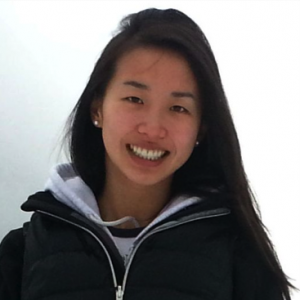
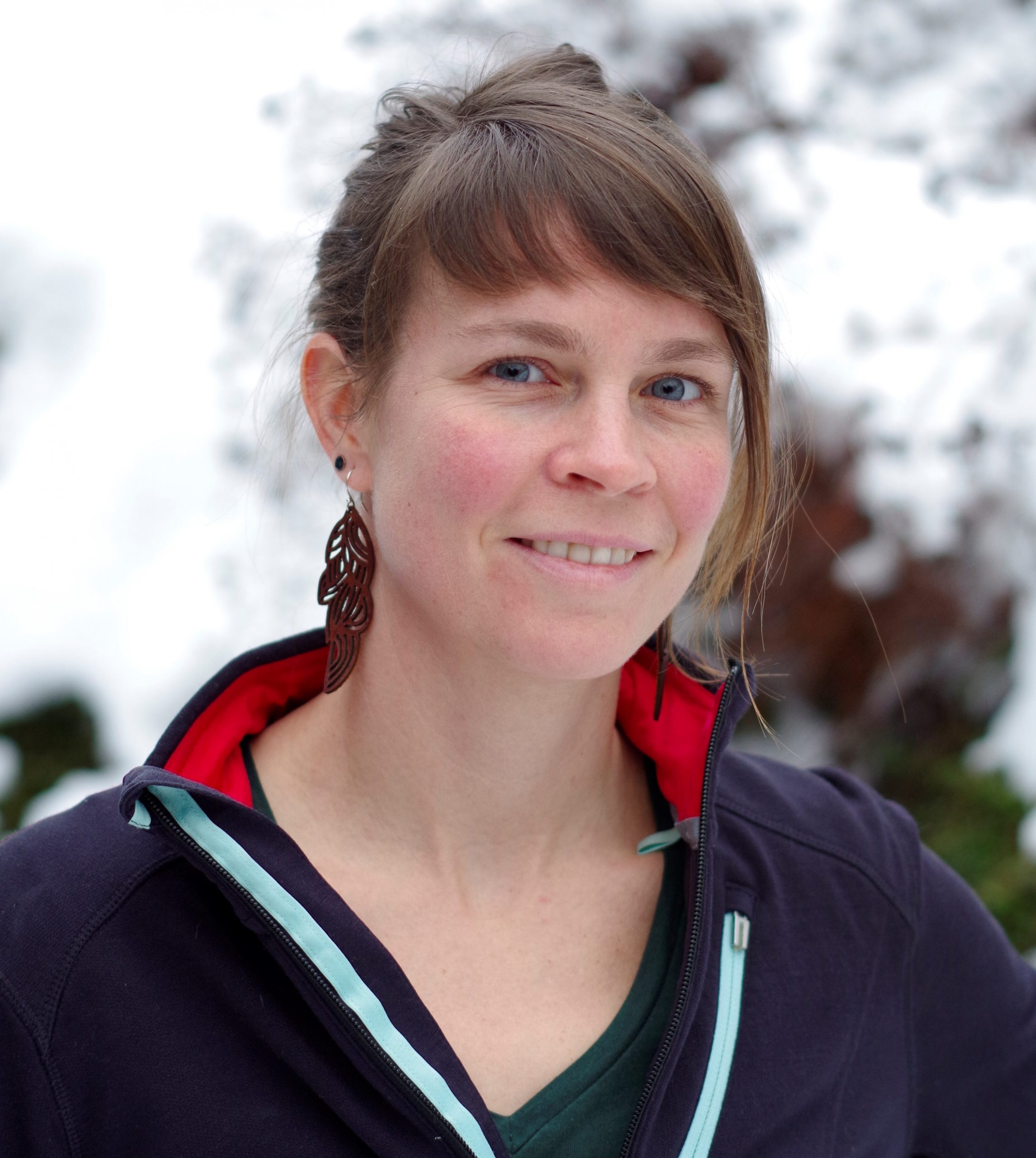
by Sarah Koch, Liv Yoon and Bieke Gils.
Three recent UBC Kinesiology PhD grads, Sarah Koch (2018), Liv Yoon (2019), Bieke Gils (2014), have recently published an article in the JAMA Network (December 29, 2020). In their Commentary, the KIN alumnae make a call for a multidisciplinary research approach that encompasses perspectives from both natural and social sciences to studying health disparities in the wake of COVID-19. While the coronavirus was initially thought of as ‘The Great Equalizer’, the unfolding of the current pandemic tells a different story, one of increasing health disparities affecting populations marginalized along race and class lines. The COVID-19 pandemic is a stark reminder that existing research methodologies and approaches often focus on the outcomes of health disparities, and less so on their social, historical and political roots. Koch, Yoon, and Gils, therefore, call for a rethinking and increased integration of natural and social science research approaches that target vulnerable populations without singling them out.
To accommodate for such an approach, they suggest the further development and use of the so-called ‘socio-exposome’ model as suggested by L. Senier, P. Brown, S, Shostak, and B. Hanna (2017) 1. Via this multidisciplinary framework, researchers can situate and contextualize natural science data and findings across the individual, local, and global scales, rendering a full picture of the interplay between biological disease pathways and the social and environmental forces that are interacting with each other.
Thus, as an extension and augmentation of the existing health and pandemic research models, implementing the multidisciplinary socio-exposome approach would help create policies that address these realities informed by multiple layers of influencing factors. They invite researchers, policymakers, and health practitioners to critically reflect on their research strategies and resulting interpretation approaches – a ‘must’ as we reimagine health research methodologies in a world where zip codes matter more than genetic codes in determining health outcomes.
This Commentary captures the multi- and interdisciplinary nature of the UBC Kinesiology graduate programme, which advocates for understanding human movement and bodies not merely physiologically and biomechanically, but also in a social, cultural, and political context. This means being concerned with not only the functioning mechanism of a body, but also its interactions with the socio-cultural and socio-political environment around it — considering, for example, how some identities are considered more threatening than others, and how some bodies are considered more dispensable than others, as the COVID-19 pandemic and the racial reckoning movements of 2020 have illustrated. As a respiratory physiologist, an environmental sociologist, and a cultural historian respectively, Koch, Yoon, and Gils are applying this holistic understanding of the body in this Commentary and in their research pursuits.
Read the article: Click Here
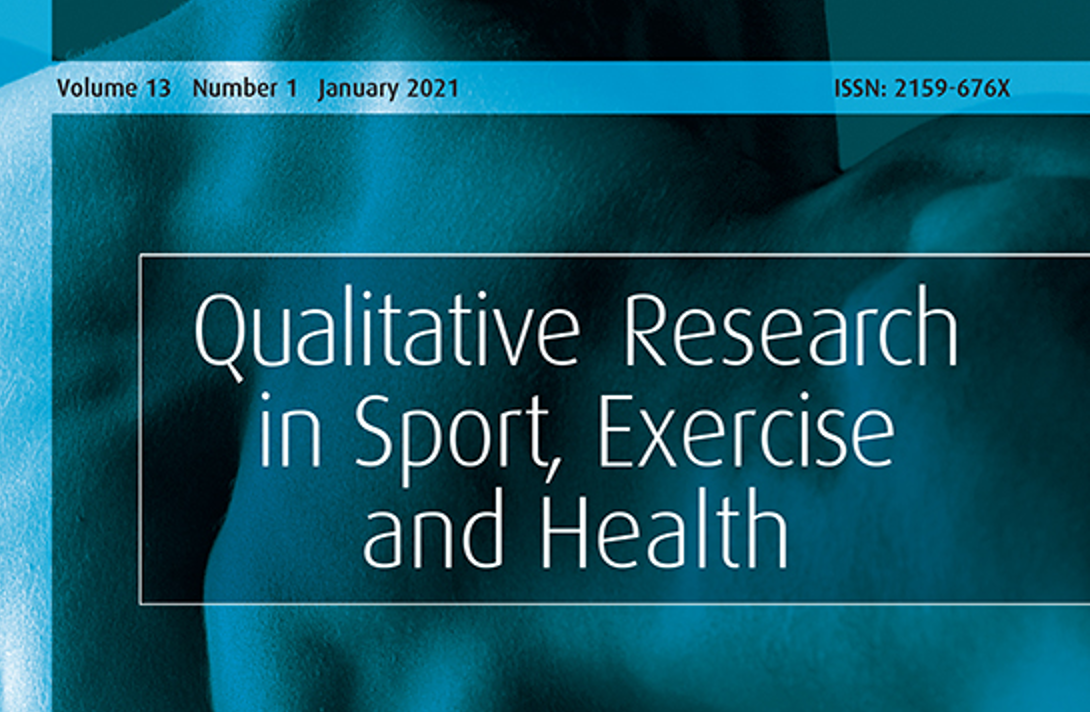 A special issue of the Qualitative Research in Sport, Exercise & Health (QRSEH) journal (Volume 13, Issue 1, 2021) has been published on the fascinating and timely topic of ‘Contemporary digital qualitative research in sport, exercise and health.’ The special issue was edited by Dr. Andrea Bundon, an assistant professor in the UBC School of Kinesiology and by Dr. Victoria Goodyear, a senior lecturer in Pedagogy in Sport, Physical Activity and Health who specializes in digital technologies and social media in young people’s health and wellbeing at University of Birmingham.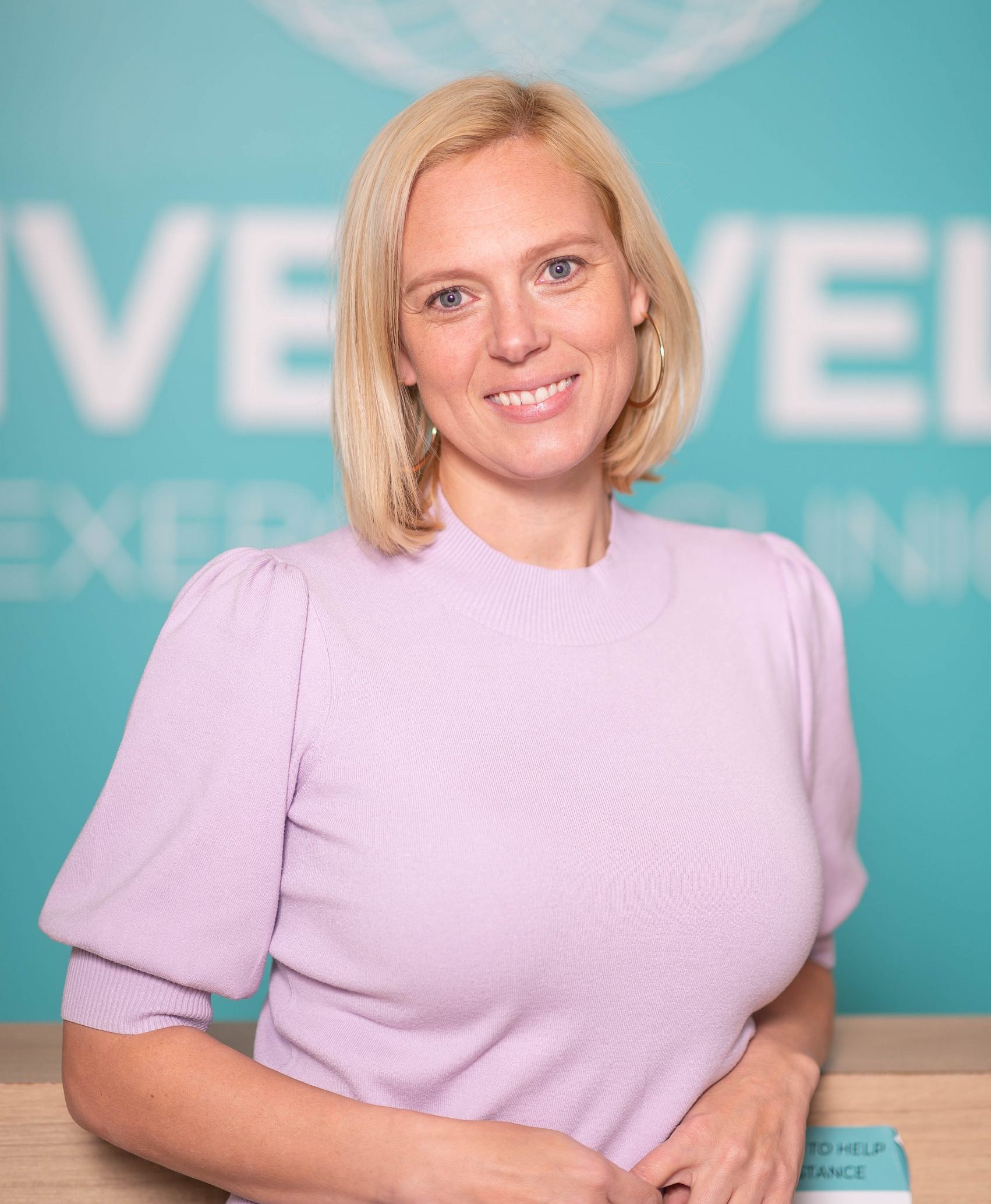
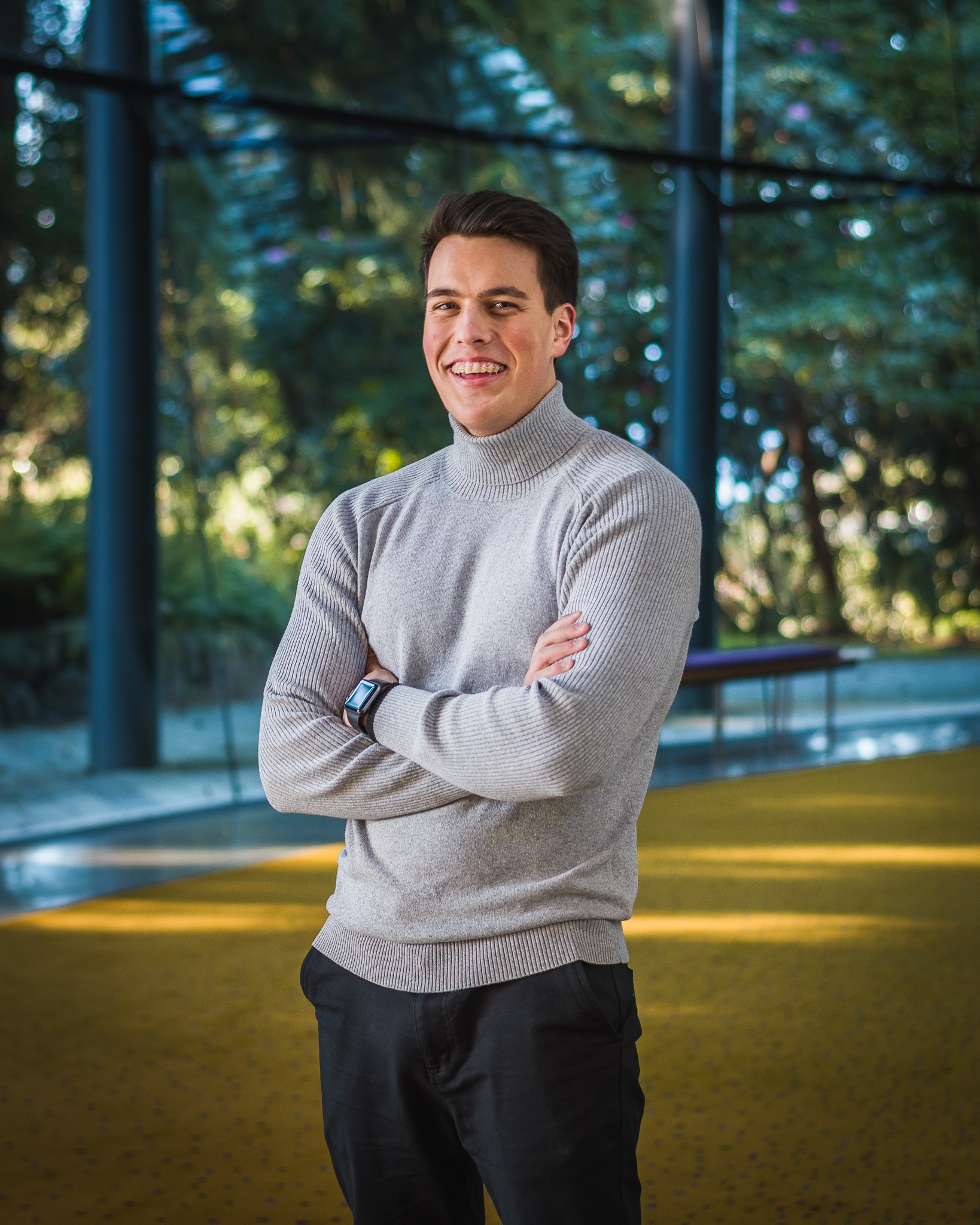 My name is Grant Phillips-Hing, I am a fourth-year Kinesiology student in the Health Science stream and I currently serve as the Vice President, Campus Engagement within the Student Alumni Council (SAC). The SAC consists of a team of charismatic student leaders from all areas on campus, dedicated towards bridging the gap between UBC alumni and current undergraduate students. The SAC has excelled in facilitating meaningful connections between alumni and current undergraduate students by using a multifaceted approach to enhance student, alumni, and faculty engagement.
  My name is Kseniya Yakovenko and I am a first-year Kinesiology student. I consider it a huge honour and accomplishment to have been accepted into the UBC School of Kinesiology with a Presidential Scholar’s Award this year. You see, my family immigrated to Canada from the Ukraine in the early 2000’s with very little in their pockets, and I am the first person in my family to go to University in Canada.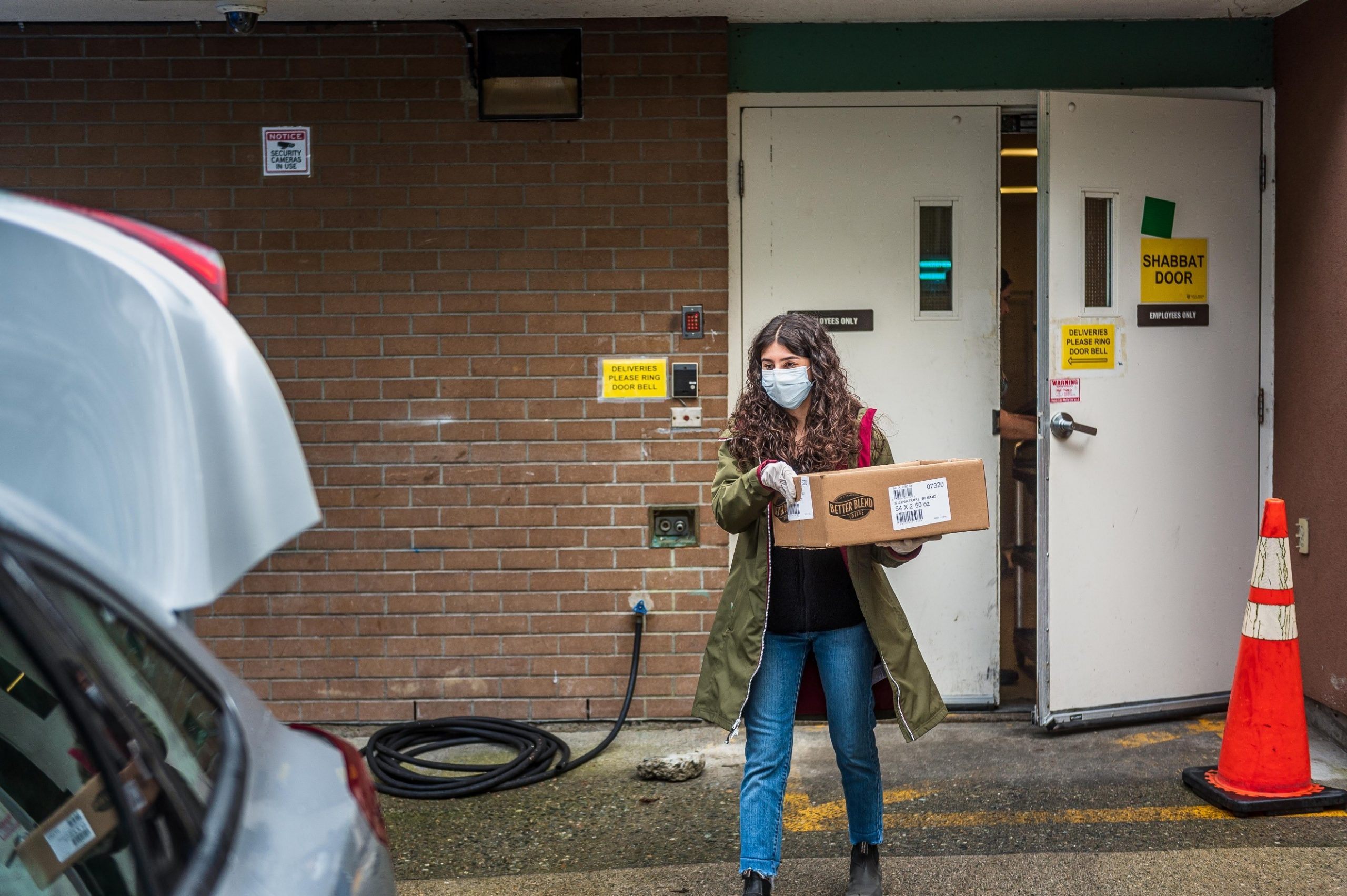
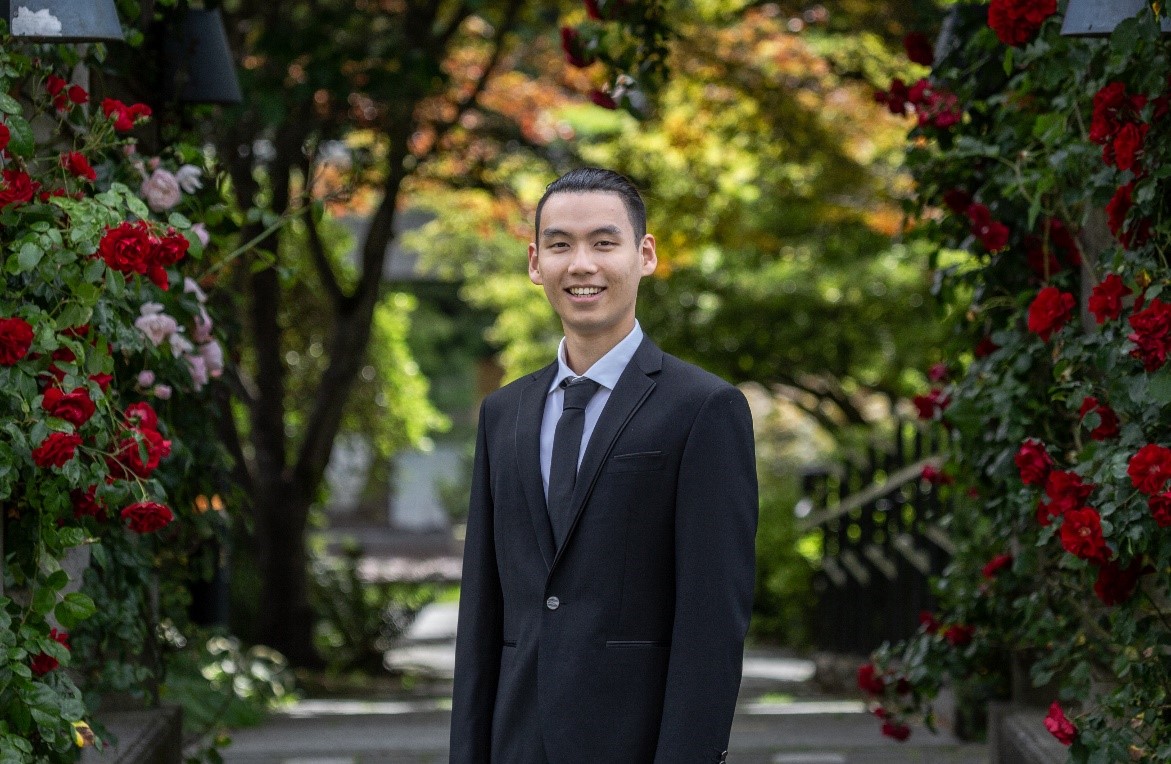 Wade is a second year Kinesiology student in the Multidisciplinary stream. He hopes to work as a PE teacher in a secondary school when he graduates, and sees this career choice as a “great opportunity to combine my passions for both teaching and coaching.” Wade recently served as an Orientation & Transition Leader for UBC Jump Start and the Virtual Collegia Programs, and is currently working as a student leader on the
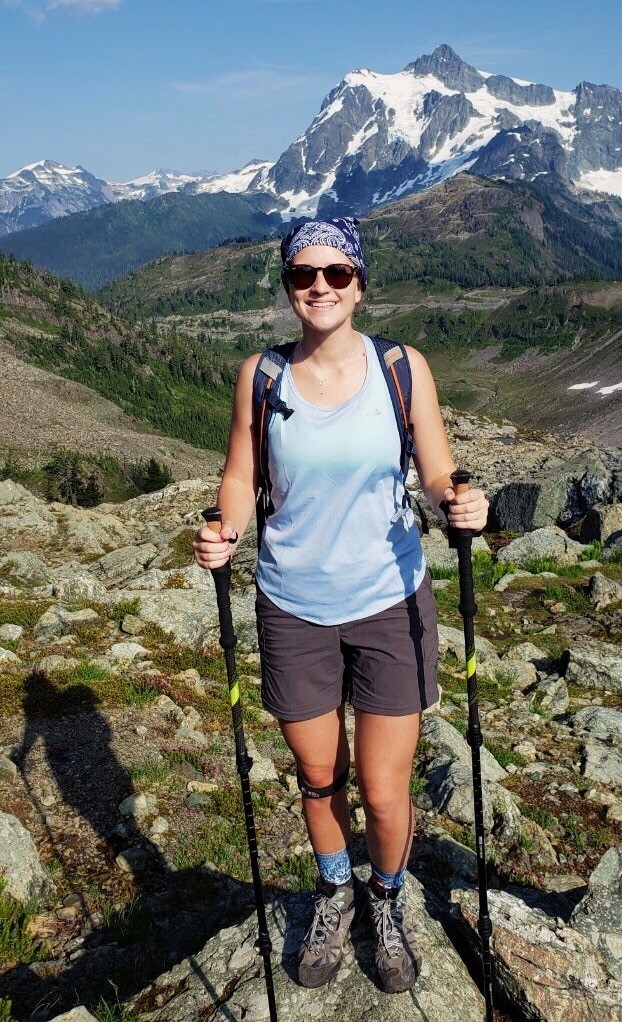
 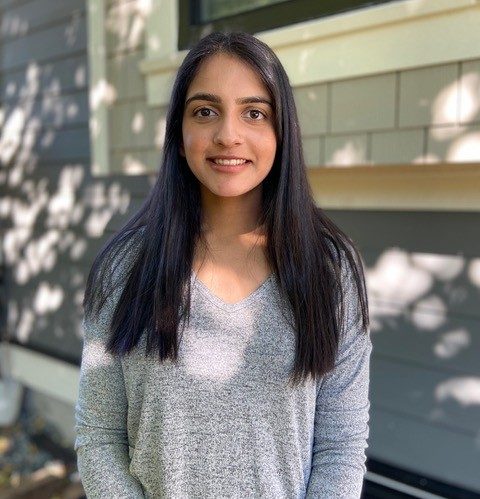 Asha Basi is a third-year Kinesiology student in the Interdisciplinary stream. She chose UBC Kin for the variety of subject areas she could study such as psychology, biometrics and physiology. But with so many subject areas, how does one begin to hone in on an area that might lead to a career that would be a good fit? Asha’s favourite class to date has been Advanced Exercise Physiology (KIN 335) and says “the content is intriguing and very applicable to my life.” But she wanted to learn more about where she could go with this!