Recipient of Outstanding International Major Entrance Scholarship and Outstanding International Student Award
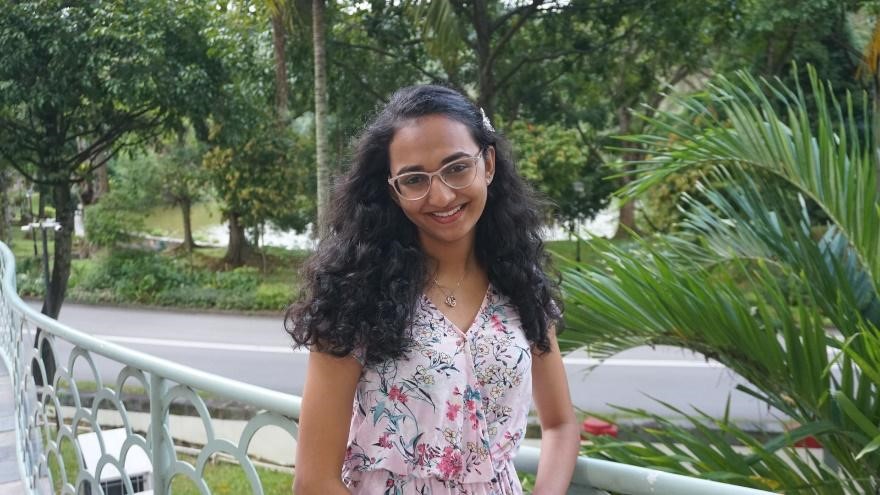 Suprita Anand is in the BKin program planning to pursue neuro-mechanical and physiological sciences. She aspires to be a “sports physiotherapist to help athletes and active people recover from their injuries so they can live their life to the fullest.” Suprita decided to study kinesiology when she encountered a physiotherapist who helped her sister recover from a serious Colles fracture. “She opened my eyes to the body’s endless capacity to heal,” states Suprita.
Suprita is the recipient of the ‘Outstanding International Major Entrance Scholarship’ and ‘Outstanding International Student Award for 2020.’ In order to achieve these awards, students must demonstrate strong academic achievement, engagement in the School, and the potential to make a scholarly contribution within their chosen field of study.
When asked how she feels about her KIN achievements, Suprita responds “I was extremely thrilled. I owe it to my teachers who guided, moulded and encouraged me to take the opportunities that came my way and share my experiential learnings with others. Living in different countries has helped me to be resilient, appreciate cultural diversity, adapt to various situations and build positive and trustful relationships.”
Suprita has indeed shared her experience with others. She has embarked on a journey of service to the community through volunteering in such places as Singapore, where she taught science to children; Jaipur, India where she taught young students the importance of education; and Ladakh, India, where she volunteered with a hospital to provide free dental and eye checks for the local community.
Suprita continues to be committed to contributing to the community in which she is currently living. She plays badminton, soccer and basketball competitively, and is “looking forward to playing a more significant role within the KIN sporting community.”
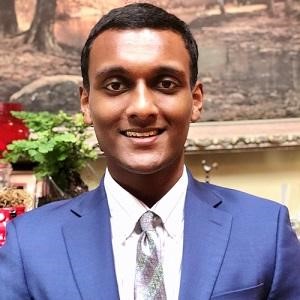
 Jenna was a student who held down three jobs to help her get through university. Initially, Jenna thought she would teach children sport skills outside of a traditional organized sport environment. “I was always the kid who didn’t fit in in sports because I was lanky and uncoordinated and I also had ADD, so it was hard for me to focus in organized environments. I wanted to help children learn coordination and basic movement patterns in a different manner. She has since evolved this vision to working with adults who want to learn to become fit. She reflects, “I have had to teach myself how to be athletic so I find it quite easy to break complex movements down to teach people in an accessible way.”
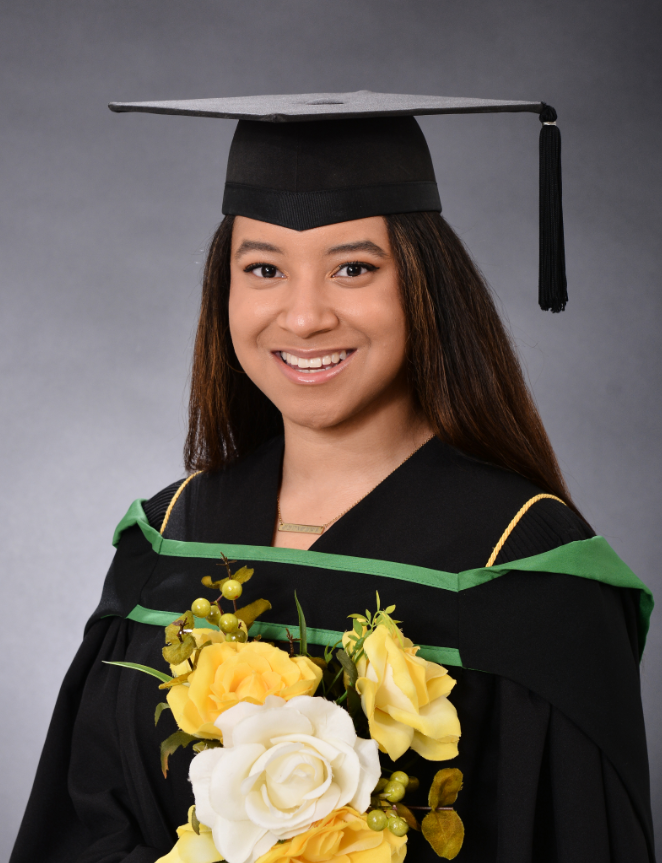 Shalom Howe is a fourth year Kinesiology student who is set to graduate this coming May, 2021, from the interdisciplinary Stream. She recently received the Qwasen Graduating Student Award from the School! She joined the School of Kinesiology “because it has so many different academic areas included. We learn about human movement from a physical science perspective, but also from socio-cultural and psychological perspectives. I really enjoy learning and did not want to limit myself to one area, which is why I was drawn to interdisciplinary studies; it gave me the freedom to learn about everything. I am interested in researching the influences of race in sport and leisure activities. Specifically, how anti-Black racism presents itself in representation, media, social activism, and how Black athletes navigate these arenas.” Shalom will be pursuing a Master of Science in Kinesiology at the University of Toronto in the fall.


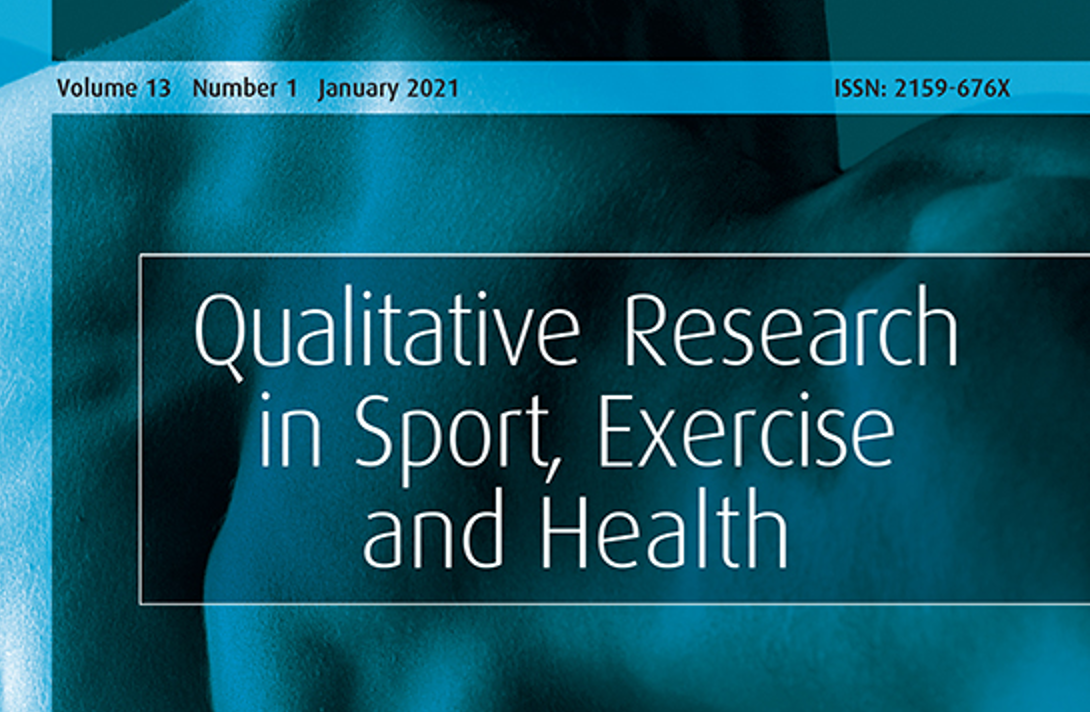 A special issue of the Qualitative Research in Sport, Exercise & Health (QRSEH) journal (Volume 13, Issue 1, 2021) has been published on the fascinating and timely topic of ‘Contemporary digital qualitative research in sport, exercise and health.’ The special issue was edited by Dr. Andrea Bundon, an assistant professor in the UBC School of Kinesiology and by Dr. Victoria Goodyear, a senior lecturer in Pedagogy in Sport, Physical Activity and Health who specializes in digital technologies and social media in young people’s health and wellbeing at University of Birmingham.

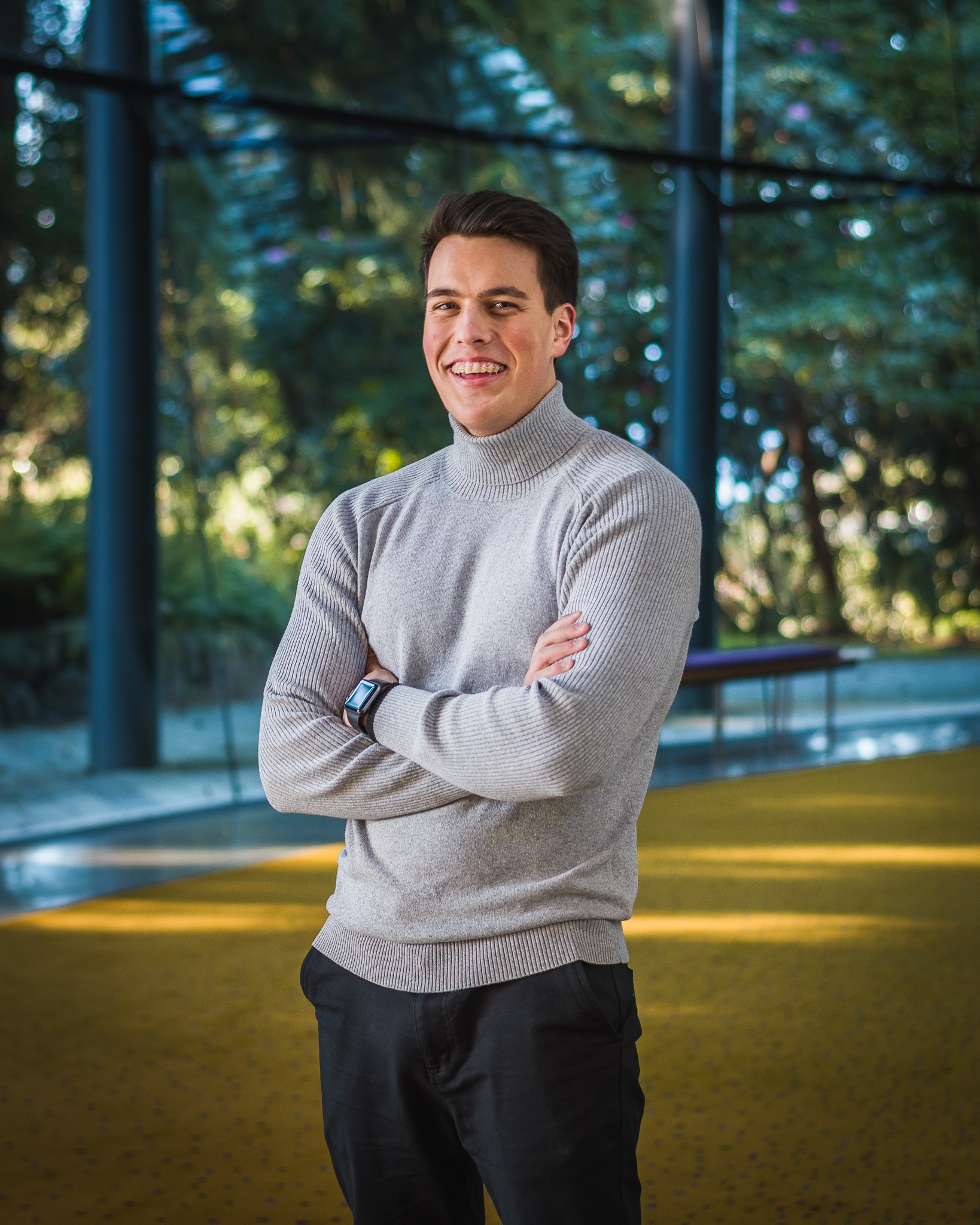 My name is Grant Phillips-Hing, I am a fourth-year Kinesiology student in the Health Science stream and I currently serve as the Vice President, Campus Engagement within the Student Alumni Council (SAC). The SAC consists of a team of charismatic student leaders from all areas on campus, dedicated towards bridging the gap between UBC alumni and current undergraduate students. The SAC has excelled in facilitating meaningful connections between alumni and current undergraduate students by using a multifaceted approach to enhance student, alumni, and faculty engagement.