THE UNIVERSITY OF BRITISH COLUMBIA
Faculty of Education
School of Kinesiology
Vancouver Campus
The School of Kinesiology, Faculty of Education at The University of British Columbia (UBC) invites applications for a full-time tenure-track Assistant Professor position in the area of Biomechanics of human movement. The successful candidate will contribute basic and applied research that supports the areas of neuromechanical and systems biology. In addition to basic research into the biomechanical and aspects of human movement, the successful candidate will be able to contribute to teaching in areas that require expertise and advanced knowledge in applied biomechanics (e.g. occupational, sport performance, injury biomechanics, robotics and human factors). The appointment is expected to begin on July 1, 2021 or as negotiated with the successful candidate.
The candidate must hold a PhD at the time of application in biomechanics or a closely related discipline. Post-doctoral training would be an asset. The candidate must have a record of research dissemination, in terms of peer-reviewed articles in recognized academic journals in the field, and evidence of presentations at national and international scholarly conferences. Demonstrated ability to participate in scholarly activity and to secure competitive research funding (e.g. tri-council and partnership grants) in biomechanics is required.
The successful candidate must have advanced knowledge and a demonstrated history of publications using biomechanical approaches in 3-Dimensional kinematics and dynamics. Demonstrated research experience in electromyography, tissue mechanics, mechanical energy, modelling, as well as evidence of using these biomechanical techniques in applied settings would be preferred.
The candidate will have demonstrated capability to provide effective instruction at introductory and advanced levels of biomechanics. The candidate will be expected to teach three courses, including a core undergraduate course in biomechanics as well as develop and teach a new advanced undergraduate/graduate course in a) injury biomechanics and b) applied biomechanics (e.g. occupational, sport, robotics and human factors).
The successful candidate will be encouraged to collaborate across the diverse research areas in the School and, more broadly, the University. The successful candidate will complement the School of Kinesiology’s strategic plans for interdisciplinary research excellence within the School and across Faculties at UBC and play a key role in generating and disseminating knowledge on the role of physical activity and health in diverse populations. The successful candidate is expected to establish a program of original, externally funded research (e.g. tri-council and partnership grants) and teach undergraduate courses in the School, and contribute to the growth of the School through supervision of graduate students, participation in service activities within the University and in the broader scholarly community, and collaboration with scientists within the School and across Faculties at UBC.
The School of Kinesiology currently has 24 full-time tenure stream faculty members, 1350 full-time undergraduate students, and 160 graduate students. We offer a Bachelor of Kinesiology degree with specializations in Neuromechanical and Physiological Sciences, Social and Behavioural Sciences, and Multi-disciplinary Science. The graduate program includes M.A., M.Sc., Master of Kinesiology (non-thesis), Master of High Performance Coaching & Technical Leadership, and Ph.D. degrees. For further details about the School of Kinesiology and its research, please visit the School’s website at http://kin.educ.ubc.ca/.
The UBC Faculty of Education is one of the leading faculties of its kind in the world, advancing educational research and understanding of teaching and learning in a way that celebrates diversity, equity and innovation, and welcomes international collaboration in an increasingly borderless globe. We provide a comprehensive set of programmatic offerings at the baccalaureate, magisterial, and doctoral levels. For further details about the Faculty of Education and its research and teaching programs, please visit www.educ.ubc.ca.
The UBC Vancouver campus is located on the traditional ancestral and unceded territory of the Musqueam people in Vancouver, currently a multicultural, multilingual city ranked as one of the best places to live in the world. The University is a global centre for teaching, learning and research, consistently ranked among the top 20 public universities in the world and recently recognized as North America’s most international university.
The School of Kinesiology, Faculty of Education, and UBC are dedicated to the goal of building a diverse and inclusive academic community. We strongly encourage applications from candidates who can demonstrate through their teaching, research experience and service that they can contribute to this goal. Familiarity with, and experience using pedagogical methods and designing research that enable students across Indigenous, racial, ethnic, sexual and gender identity and socio-economic groups to reach their maximum potential will be considered an asset. Candidates should have a strong commitment to fostering inclusivity and teaching in a welcoming and politically astute environment.
This is a tenure-track position in the Professoriate Stream. The successful candidate will be reviewed for reappointment, tenure and promotion in subsequent years, in accordance with the Collective Agreement. For a detailed description of the Assistant Professor rank and criteria for reappointment and promotion, please visit, https://hr.ubc.ca/sites/default/files/2020-09/Faculty-CA2019-2021.pdf. The position is subject to final budgetary approval. Starting salary is determined both by the candidate’s qualifications and experience and by their placement on the career progress scale within the UBC Faculty of Education.
Interested applicants are invited to send:
(i) a cover letter,
(ii) curriculum vitae,
(iii) a five year research plan,
(iv) a summary of teaching interests and philosophy,
(v) evidence of teaching excellence (such as course outlines and student evaluations if available),
(vi) three papers that are the most significant and relevant to their research interests, and
(vii) a Diversity Statement. Diversity is an important part of the School of Kinesiology/Faculty of Education/UBC mission. Please provide a Diversity Statement (max 1 page) that describes and documents how diversity figures into your past and present experience of teaching, research, and your lived experience. Going forward, how would you imagine incorporating attention to creating/advancing a culture of equity and inclusion?
The complete application file must be submitted in the format of one bookmarked PDF file, addressed to Dr. Robert Boushel, Director School of Kinesiology, and sent electronically to kin.hr@ubc.ca by the application review start date (below). Please indicated in subject heading: Biomechanics of Human Movement. Following the submission of the application, the applicant will receive an Equity Survey link via email. Completion of the anonymous Equity Survey is strongly encouraged as part of the application process.
Applicants should also arrange to have three letters of reference sent directly to kin.hr@ubc.ca by the application review start date (below).
While applications will be received until the position is filled, interested parties are encouraged to submit by February 15, 2021, to ensure optimal consideration.
Questions regarding the position should be directed to Dr. Robert Boushel, Director School of Kinesiology at kin.hr@ubc.ca.
Equity and diversity are essential to academic excellence. An open and diverse community fosters the inclusion of voices that have been underrepresented or discouraged. We encourage applications from members of groups that have been marginalized on any grounds enumerated under the B.C. Human Rights Code, including sex, sexual orientation, gender identity or expression, racialization, disability, political belief, religion, marital or family status, age, and/or status as a First Nation, Metis, Inuit, or Indigenous person.
All qualified persons are encouraged to apply; however, Canadians and permanent residents will be given priority.
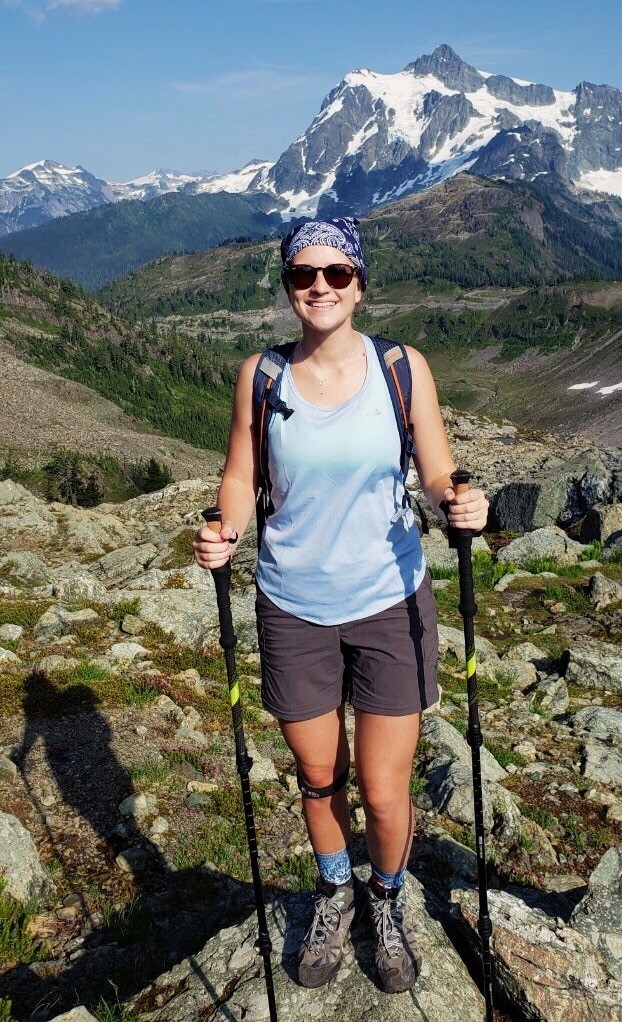 My name is Kseniya Yakovenko and I am a first-year Kinesiology student. I consider it a huge honour and accomplishment to have been accepted into the UBC School of Kinesiology with a Presidential Scholar’s Award this year. You see, my family immigrated to Canada from the Ukraine in the early 2000’s with very little in their pockets, and I am the first person in my family to go to University in Canada.
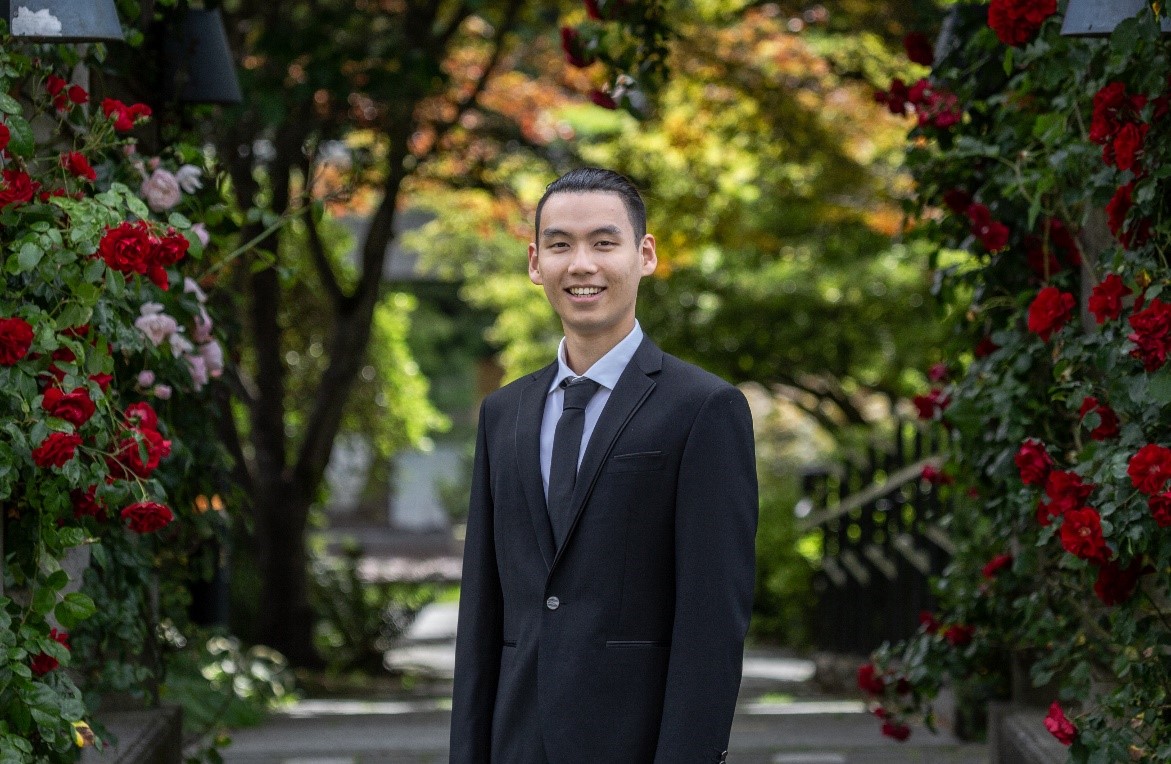 Wade is a second year Kinesiology student in the Multidisciplinary stream. He hopes to work as a PE teacher in a secondary school when he graduates, and sees this career choice as a “great opportunity to combine my passions for both teaching and coaching.” Wade recently served as an Orientation & Transition Leader for UBC Jump Start and the Virtual Collegia Programs, and is currently working as a student leader on the
 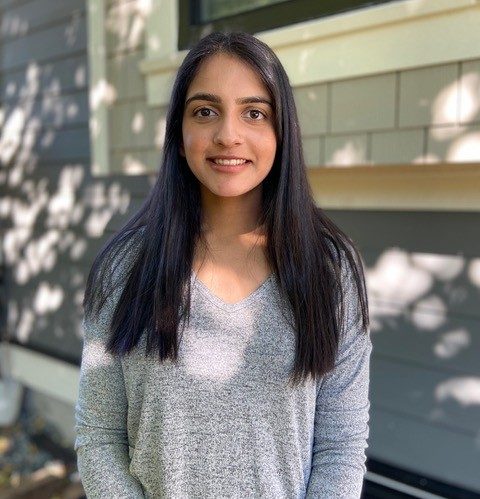 Asha Basi is a third-year Kinesiology student in the Interdisciplinary stream. She chose UBC Kin for the variety of subject areas she could study such as psychology, biometrics and physiology. But with so many subject areas, how does one begin to hone in on an area that might lead to a career that would be a good fit? Asha’s favourite class to date has been Advanced Exercise Physiology (KIN 335) and says “the content is intriguing and very applicable to my life.” But she wanted to learn more about where she could go with this!
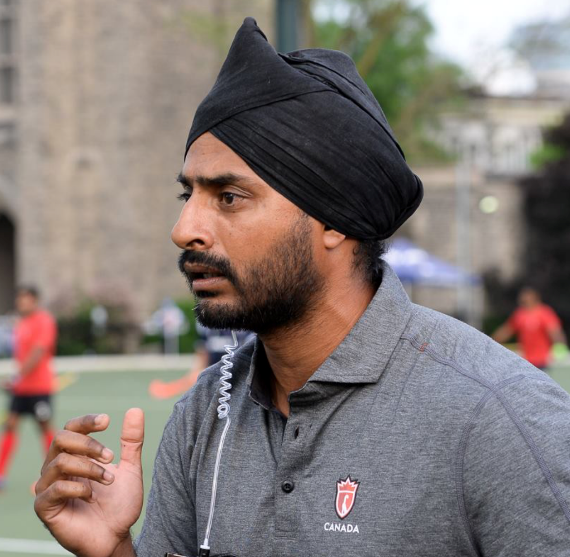 Inderpal is currently a Canadian Men’s U21 Field Hockey Coach and is also a Physical Health Educator with the VSB. He has attended the Pan-American Games, Youth Olympics, the World Cup, the Junior World Cups twice, and the Commonwealth Games as a coach and performance analyst.
 The paper presents a new planning framework to communicate global and national physical activity guidelines. Use of the planning framework may increase the effectiveness of communication and help maximise the impact of physical activity guidelines.