Position title
Tenure-Stream Open Rank Professor in Indigenous Land-based Physical Culture and Wellness.
Volunteer or Employment?
Position within the School of Kinesiology
Employer name
School of Kinesiology
Employer email address
kin.hr@ubc.ca
Organization
UBC School of Kinesiology
Job description
The School of Kinesiology in the Faculty of Education at The University of British Columbia (UBC) invite applications for a full-time tenure-stream Assistant Professor, Associate Professor, or Professor position (Open Rank) in the area of Indigenous Land-based Physical Culture and Wellbeing. While the position is housed in the School of Kinesiology, the successful candidate is expected to collaborate with the Department of Curriculum and Pedagogy and the Faculty’s Indigenous Teacher Education Program (NITEP). The appointment is expected to begin on July 1, 2022 or as negotiated with the successful candidate.
The successful candidate must hold a doctoral degree (PhD or EdD), and demonstrate excellence or the potential for excellence in teaching, research and scholarship that will contribute to the School’s priorities of Indigenous engagement and Indigenous health and well-being. The successful candidate is expected to engage in teaching and research that is related to Indigenous land-based physical cultural wellbeing, with a focus on Indigenous advancement and community-based leadership in sport, physical activity, health and wellness in local and global contexts
How to apply
Interested applicants are invited to send:
(i) a cover letter (please indicate if you are legally entitled to work in Canada),
(ii) curriculum vitae,
(iii) a five-year research plan,
(iv) a summary of teaching interests and philosophy,
(v) evidence of teaching excellence (such as course outlines and student evaluations if available),
(vi) three papers that are the most significant and relevant to their research interests, and
(vii) a Diversity Statement that describes and documents how values of equity, diversity, inclusion, anti-racism, and anti-oppression figure into your past, present, and future experience of teaching, research/educational leadership, community engagement, and your lived experience (maximum 1 page), and
(viii) names and contact details of three academic references. Letters of reference will only be requested from short-listed candidates.
The complete application file must be submitted in the format of one bookmarked PDF file, addressed to Dr. Robert Boushel, Director, School of Kinesiology, and sent electronically to kin.hr@ubc.ca. Please indicate in subject heading: Indigenous Land-based Physical Culture and Wellness Position. Following the submission of the application, the applicant will receive an Equity Survey link via email. Completion of the Equity Survey is required as part of the application process.
For full details and application process, Click Here
Posting expiration date
01/31/2022
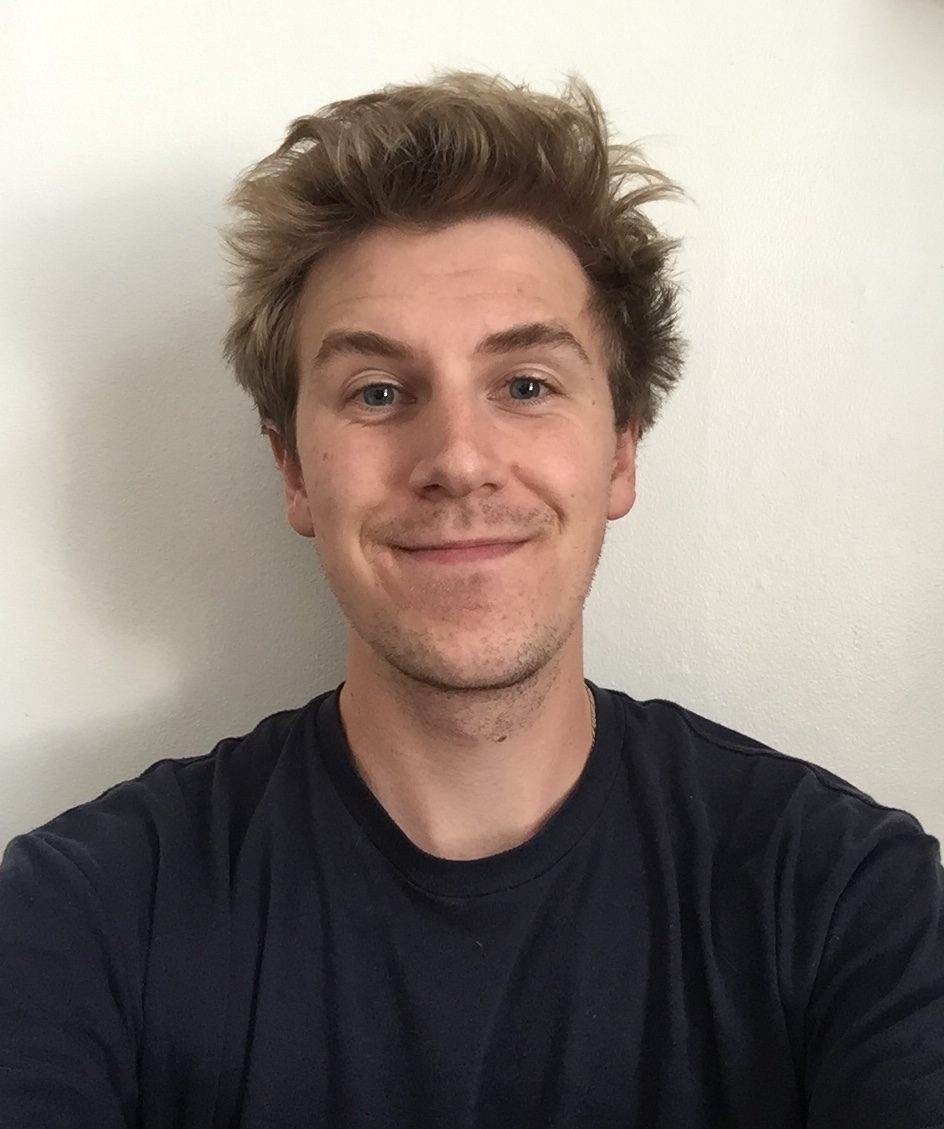
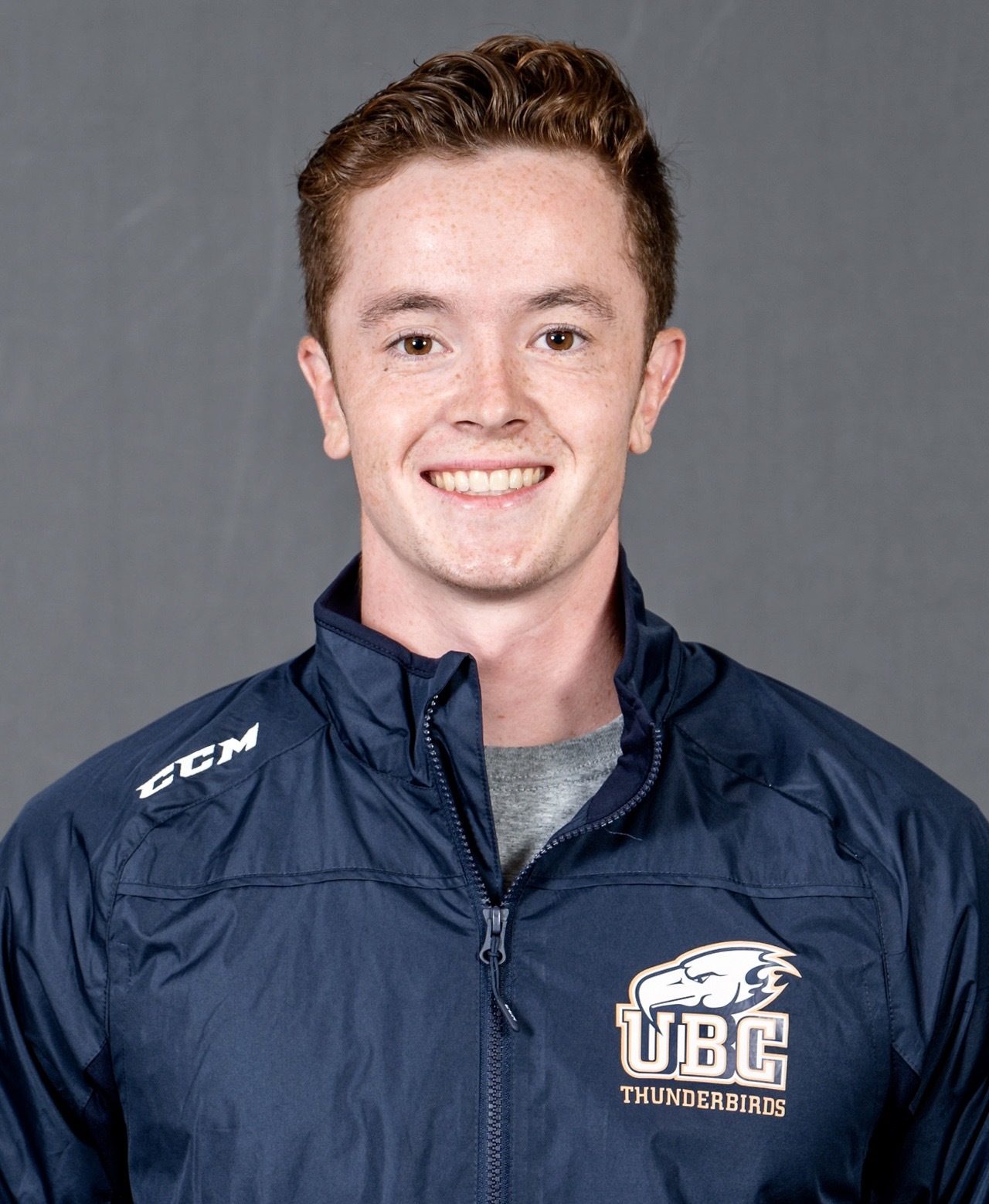 Matthew Fliss is a graduate student, working on his Master of Science (MSc) in Kinesiology. He was recently awarded the esteemed Canadian Society for Exercise Physiology (CSEP) 2021 Graduate Student Award for MSc Poster Presentation. The award acknowledges the outstanding graduate research that is presented at CSEP’s Graduate Student Poster Award Session. Winning the award was momentous for Matthew, as it is the first academic award he has received, and it proved to him how important his research is within the scientific community. “I had decently long conversations with two of the three judges,” remarks Matthew, “and one of them happened to be researching a similar topic to mine, so we talked about collaborating in the future.”
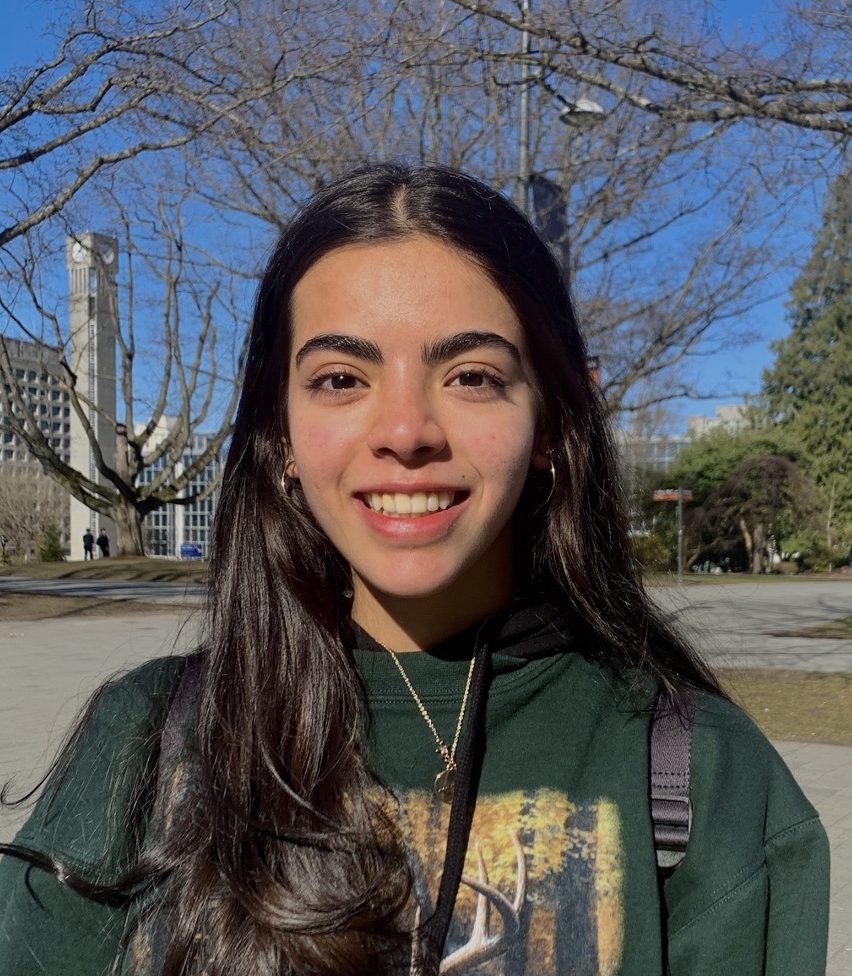 Ritika Saraswat is a 4th-year BKin student in the interdisciplinary stream. The School of Kinesiology is happy to announce that Ritika is one of 2 students in the province to have been awarded the Canadian Management Consulting (CMC)-BC Student Award. Sponsored by KPMG Canada, the award recognizes a BC undergraduate student leader who has demonstrated a passion for, and excellence in the area of, management consulting and leadership. It is unusual for a Kinesiology student to win such a prize. But Ritika believes that it was her academic background in kinesiology as well as the extensive consulting work which made her stand out as a candidate to the award committee.
  Nikolaus Dean is a Ph.D. Kinesiology student and is the recipient of the prestigious 2020-21 Killam Graduate Teaching Assistant (TA) Award. The prize recognizes graduate students who have played a valuable role as teaching assistants. Nikolaus remarks that “this is one of the most significant awards” he has received yet. Some of the many awards he has received to date include the, SSHRC Joseph-Armand Bombardier Canada Graduate Doctoral Scholarship, Sport Canada’s Sport Participation Research Initiative, a UBC Four-year Fellowship, and the Mitacs Accelerate Research Grant.
  Congratulations to Michael Fliss, a UBCKIN MSc. student for being awarded a CSEP graduate award at last week’s CSEP conference.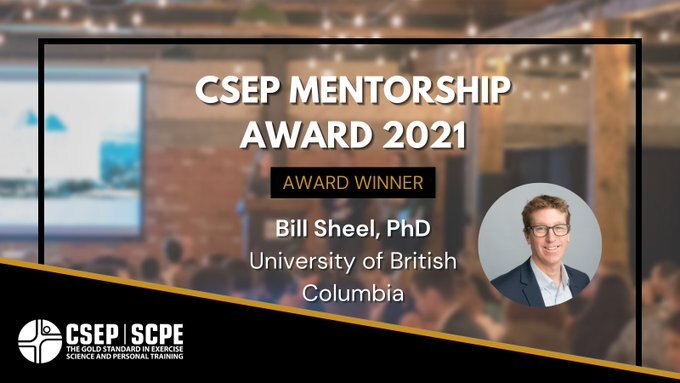
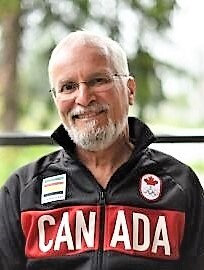 As the head coach of Racewalk West, Gerry Dragomir (MHPCTL 2021) coaches four international-level racewalk athletes. One of those athletes is fellow KIN Alum, Evan Dunfee (BKin 2014), who won the Bronze Medal for the men’s 50km walk at the 2020 Tokyo Olympic Games. “One day Evan showed up to practice with his teenage brother, who was working with our group at the time. It did not take long for Evan to show his true intentions about the racewalk and we have been conquering the world ever since,” remarks Gerry. His third time at the Olympics was certainly the charm for Gerry when he served as a coach at the 2020 Tokyo Olympics to help Evan win his first Olympic medal.
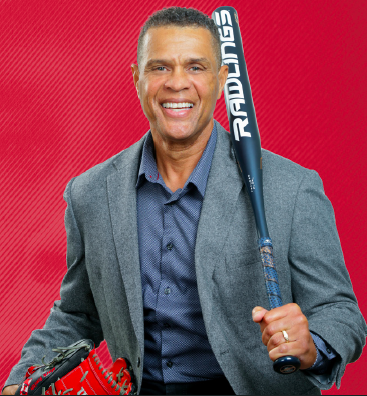 Mark Smith (HPCTL 2020) is an experienced, highly regarded fastpitch softball coach with many accolades and awards under his belt. With 25 years of experience, he decided to enroll in the School of Kinesiology’s professional coaching program in High Performance and Technical Leadership. “I had reached a point where I felt I was no longer growing and being challenged as a coach. I wanted an opportunity to be pushed and be exposed to other perspectives. In the end, it was that and more. I recognized quickly there is no downside to learning – that to be in classes with like-minded people, where everyone is eager to improve themselves and grow their knowledge helped me enhance my coaching skills,” recounts Mark. He goes on to state that he found the entire learning process to be helpful: “In some areas I brought past experience, but I learned some new skills and enhanced others. I may not have learned a great deal about coaching science before joining the program, my prior knowledge and experience were validated by my instructors and peers, encouraging me to learn and assist my fellow classmates on their learning journey.”