Kristin Campbell has always loved exercise and physical activity. As a high school student, she played on the teams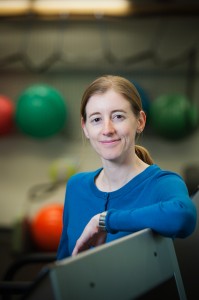 and her dream job was to be the athletic trainer for the men’s tennis tour.
“I thought that would be the greatest job in the world,” says Dr. Campbell. “But then all through university, I realized it was more fun to work with average people, helping them get motivated about exercise to manage a chronic disease or recover from surgery.”
Immediately following the last exam for her physical therapy degree at Queen’s University, she boarded a plane for Vancouver to snowboard and work as a casual physical therapist at Vancouver General Hospital.
Flipping through one of Vancouver’s free magazines, an article about the first dragon boat team of breast cancer survivors caught her attention. Two UBC professors were quoted in the story—Dr. Don McKenzie of the School of Kinesiology, who started the team, and Dr. Susan Harris of the Department of Physical Therapy, who paddled with the team. Kristin had written an honours paper about how exercise may lower women’s risk of estrogen-related cancers, so she decided to explore opportunities to research this topic in the School of Kinesiology.
“UBC seemed like the ideal place to do research on exercise and cancer survivorship,” Dr. Campbell says. “Working with Dr. McKenzie, a leader in the field, set me up to be able to do my PhD with another leader in the field.”
Now an Assistant Professor in the Department of Physical Therapy at UBC, Dr. Campbell is investigating the role of exercise in rehabilitation from cancer treatment and how to use exercise in health promotion for cancer survivors after they complete treatment. One of her current projects is looking at the role of exercise in chemo-brain (cancer-associated cognitive dysfunction), or the difficulty cancer survivors sometimes experience with problem-solving and multi-tasking. She also plans to develop a prospective model of care for breast cancer survivors, which would measure arm function before and after surgery to ensure range-of-motion and strength are regained and for the early detection of lymphedema (swelling of the arm). Dr. Campbell also recently received funding to develop pelvic floor muscle training for women who were treated for gynaecological cancers.
“I really enjoy interacting with the cancer survivors who participate in our studies,” says Dr. Campbell. “A lot of the studies have exercise as a main component, and some people reluctantly sign up and don’t necessarily know what to do. Seeing them take hold of exercise, enjoy it and get the benefits is really rewarding.”
As she looks back on her career since graduating from the School of Kinesiology, Dr. Campbell is most proud to have been invited to participate in discussions for the development of the American College of Sports Medicine’s exercise guidelines for cancer survivors. She was also invited by the American Cancer Society to participate on an international panel of experts to develop prospective models of care for breast cancer survivors, which were published in a special supplement of the journal Cancer.
But looking forward, Dr. Campbell’s ultimate goal is to develop rehabilitation for the cancer survivors of British Columbia.
“My colleagues and I all look to cardiac rehab as the gold standard,” she says. “If cancer survivors could have access to a set rehabilitation program with health care professionals, either during or following their cancer treatment, I think that would make a world of difference to their quality of life and ability to engage in activities they enjoy.”
To contact Dr. Campbell, you can email: Kristin.campbell@ubc.ca
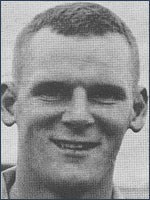 Not many UBC Kinesiology graduates have pursued a career in baseball and be honoured with induction into the Canada Baseball Hall of Fame. In fact only one KIN grad fits that complete description and he is 1968 graduate John Haar.
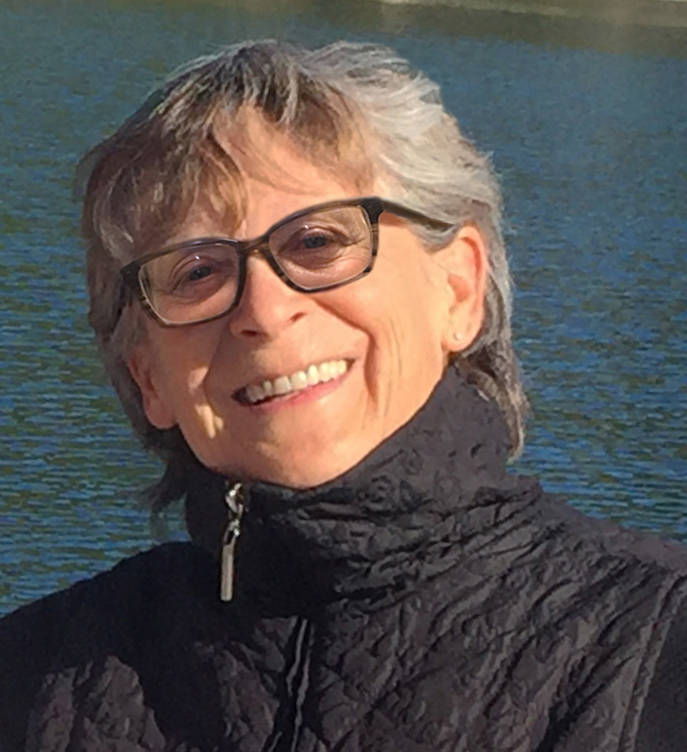 UBC’s Physical Education faculty has been home to many of BC’s best basketball players. One such student, a graduate in Education with a 1973 Physical Education (Kinesiology) degree, is Joanne Sargent. While playing for the Blue & Gold between 1968/69 and 1972/73 she starred on three Canadian champion teams, two of those UBC teams are inductees in the UBC Sports Hall of Fame and the Basketball BC Hall of Fame. That is three national champions in four Varsity years! Joanne also was a member of Canada’s national team from 1970 through 1976 competing for Canada in the 1976 Olympics. In fact, in the 1976 Olympics, she set an Olympic Games basketball record for most assists in a single game, a record that stood for twenty years.
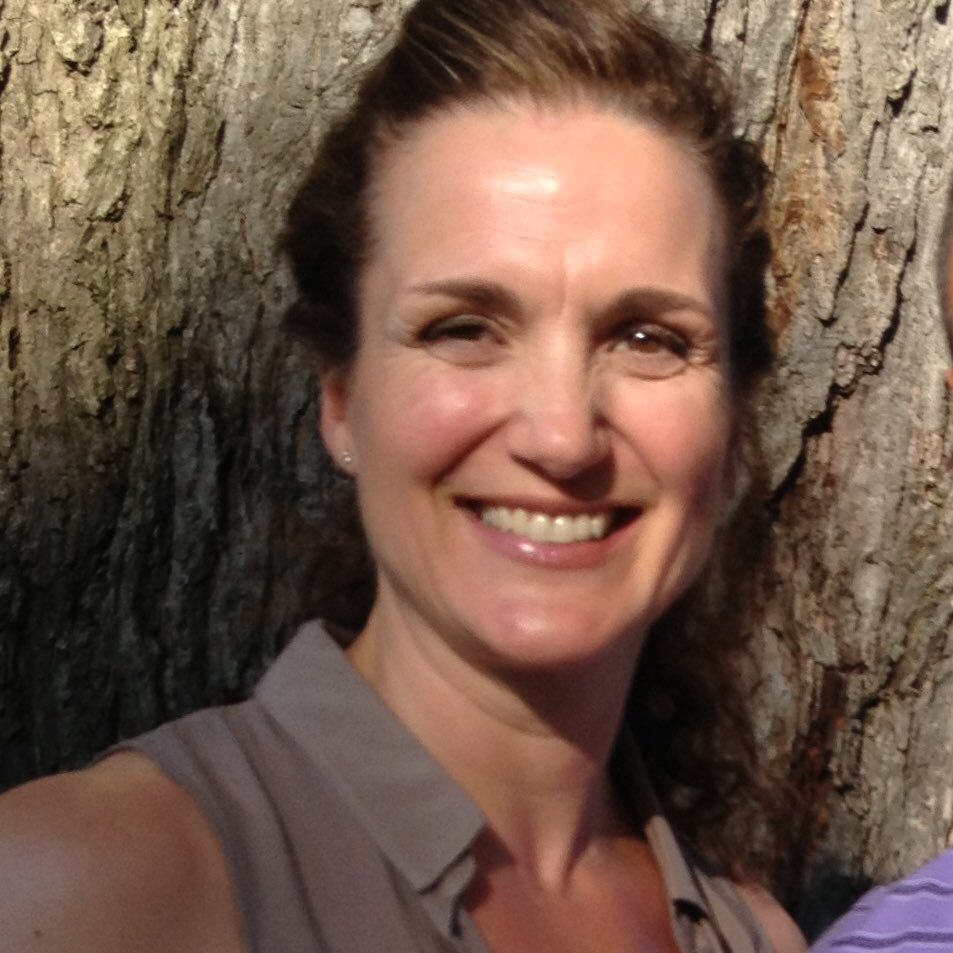 One of BC’s outstanding athletes of the 1970s and 1980s, P.E. (Kinesiology) alumna, Erminia Russo has forged an impressive career in the sport of volleyball. Erminia graduated from high school in Kelowna and in her first year on UBC’s volleyball team, she was a starter who quickly evolved into a three-time Canada West All-Star and All-Canadian. She was considered by her UBC coaches to be the team leader in addition to offensive statistical leader. According to coach Sandy Silver, “Erminia was strong in all aspects of the game . . . had a winning attitude and excellent poise.” In 1985 Erminia made Canada’s national team and played for Canada for eight years. According to Silver, she was “the quarterback of the team,” an experience climaxed by her appearance in the 1986 Olympics. All this as she completed her BPE at UBC in 1989. During the 1990s Erminia played professional volleyball in France, was one of Canada’s top beach volleyball players and embarked upon a coaching career. For two years she coached the University of Western Ontario volleyball team then from 1997/98 through 2000 was the successful head coach of UBC’s women’s team. She took UBC to the CIS finals in 1998 winning both Canada West and CIS Coach of the Year honours that year. In 1999 Erminia was honoured with the UBC Alumni Association Outstanding Young Alumnus Award and in 2007 was inducted into the UBC Sports Hall of Fame. Now married to former UBC football player and CFL coach Noel Thorpe, Erminia lives in Montreal where she continues to promote the game of volleyball and can be seen on television as an articulate Canadian volleyball analyst.
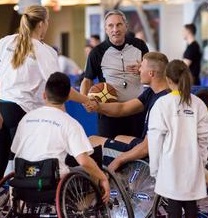 Dean MacKinnon, UBC Physical Education graduate of 1966, took his degree to the classroom teaching in the Vancouver school system until his recent retirement. But he is perhaps better known for his outstanding 40 year career as a local basketball referee.