Oct. 22, 2020 – Many congratulations to Dr. Mark Duncan who recently passed his doctoral defence!
New Paper Out
Oct. 16, 2020 – New paper out on the relationships between children’s independent mobility, physical activity, and active transportation. The major takeaway: independent mobility is associated with more active transportation and physical activity regardless of where children lived. Read it here!
New Paper Out
Oct. 16, 2020 – New paper out on the development of the new Canadian 24-Hour Movement Guidelines for Adults aged 18–64 years and Adults aged 65 years or older: An Integration of Physical Activity, Sedentary Behaviour, and Sleep. Read it here!
Canada’s First Ever 24-Hour Movement Guidelines for Adults Help Make the Whole Day Matter
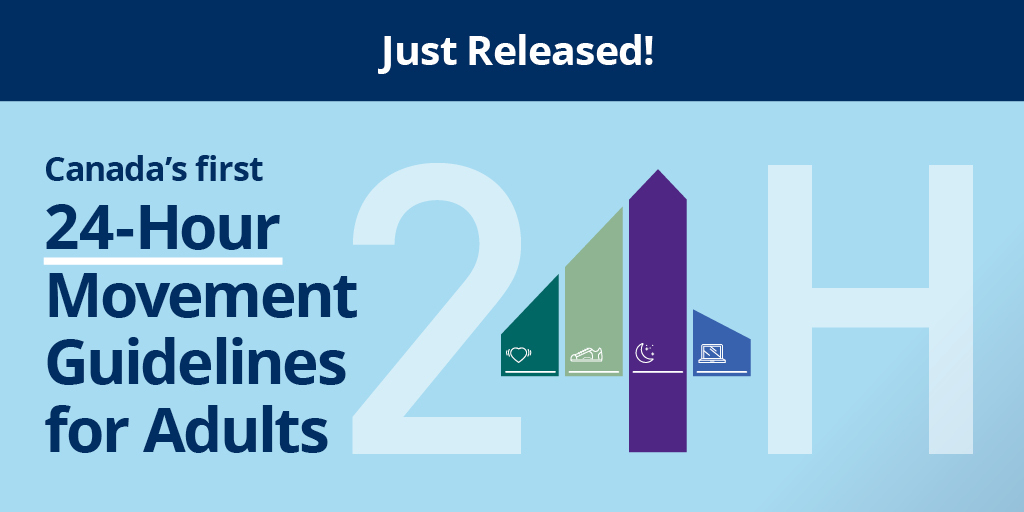
Canada’s first 24-Hour Movement Guidelines for Adults offer clear direction on what a healthy 24 hours looks like for Canadian adults aged 18-64 years and 65 years or older.
These guidelines are unique because they don’t just focus on a single movement behavior, but instead look at how all these integrate together. This is the first time there are recommendations on various types of physical activity woven together with guidance on sedentary and sleep behaviors for these age groups. Following the Canadian 24-Hour Movement Guidelines for Adults can help you make your whole day matter.
The guidelines focus on three core recommendations, but it is important to note that all types of movement matter, and a balance is required for best health.
- Move More: Add movement throughout your day, including a variety of types and intensities of physical activity.
- Reduce Sedentary Time: Limit sedentary time to 8 hours or less per day including no more than 3 hours of screen time and breaking up long periods of sitting where possible.
- Sleep Well: For those aged 18-64 set yourself up for 7 to 9 hours of good quality sleep on a regular basis, and 7 to 8 hours for those 65+ years. Consistent bed and wake up times are also key.
In a year filled with unprecedented dangers to our mental and physical health, Canadians need to take advantage of the many benefits that come from being active.
- These guidelines arrive at a critical time in the country’s overall health. Social distancing measures and economic challenges have fuelled unprecedented physical and mental stress for many Canadians. The recommendations contained within these guidelines for a healthy 24 hours should be an essential foundation for our overall health.
- Some activity is better than none! The routine rituals of daily living such as casual neighbourhood walks, gardening, household chores and taking stairs instead of the elevator all contribute towards a healthy 24 hours. Learn more at csepguidelines.ca.
Sinclair, Gary
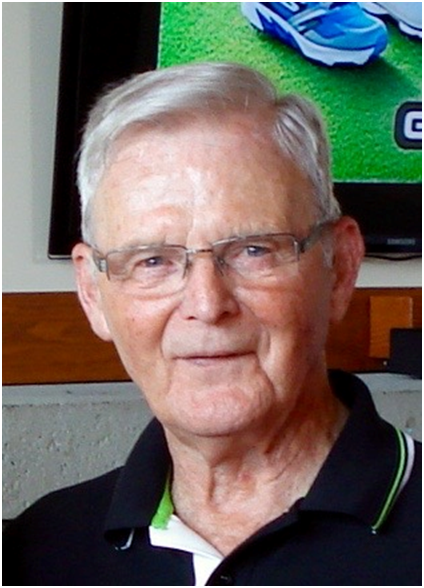 When I entered UBC I had the intention to become an architect. After the first year of study I found that I had little interest in the required course work and began to consider alternatives. I discussed the situation with my dad who commented that “to be happy in life a person needs job satisfaction” and that “I should choose a field that I’m good at and like”.
Coincidently, I bumped into a baseball buddy who had just finished his first year of the BPE program. We chatted and I signed up. I had been very involved in school and community sport and physical activity and the prospect of “working” in that environment excited me.
At that time, the School’s degree program was geared to produce teachers for the school system and the graduate study program did not yet exist. After the BPE I was offered a position at Hillside Junior High, in West Vancouver, and during the five years there I developed an interest in how physical activity affects the growth and development of the students. This curiosity led me to the academic study of these processes and my enrolment in a Masters degree program at the U of Oregon and employment at Vancouver Community College (now Langara College). During my two years there I realized that there was more to learn and returned to Oregon to study for a PhD. Upon completion of that I was offered a position at Magill University and then the U of Montreal.
In 1973, to my great pleasure, I received an invitation to join the School of PE at UBC which I accepted and have lived “happily ever after”.
During my BPE Studies I was inspired by Dr Max Howell, a former Australian rugby international who had just received his PhD from the U of California. He brought an enthusiasm for the academic study of PE and also accepted the responsibility for the development of the rugby program. His leadership in these areas was just what I needed.
My favourite course was the newly created, by Howell, “Tests and Measurement for PE“ that served to enhance my interest in the further study of sport and physical activity as they affect the growth and development of youth.
Of course, studying was a major element within a student’s life and the original Library’s large study hall was the gathering place. The highlight for me was the friendship that developed with my now wife of 63 years.
The best career advice that I received as a prof who was dealing with a heavy workload was “Don’t let other people’s’ problems become your problems”.
Video Footage Now Available: Critical Dialogues on Sustainability, Sport Events, and Impact Assessments
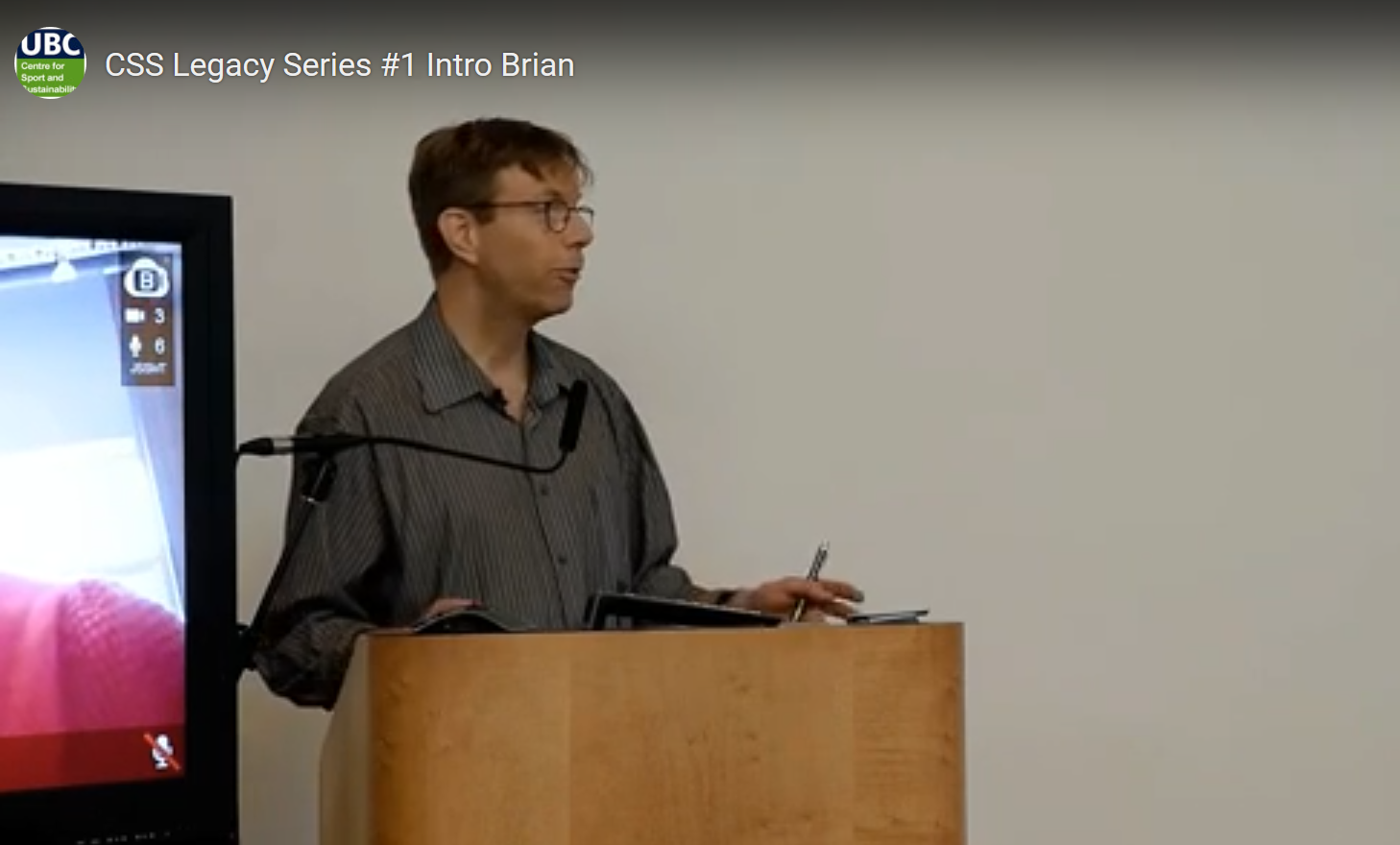
2020 marks the 10th anniversary of the UBC School of Kinesiology’s Centre for Sport and Sustainability (CSS). As part of its celebrations, CSS held the first of a planned series of panel discussions titled ‘Critical Dialogues on Sustainability, Sport Events, and Impact Assessments’.
The event also served as the unveiling of a carbon emission impact assessment tool created by Matt Dolf, who is the current director at UBC Wellbeing and has long been a passionate researcher and advocate for sport as a tool for positive change. Video footage of the event is now available for viewing here.
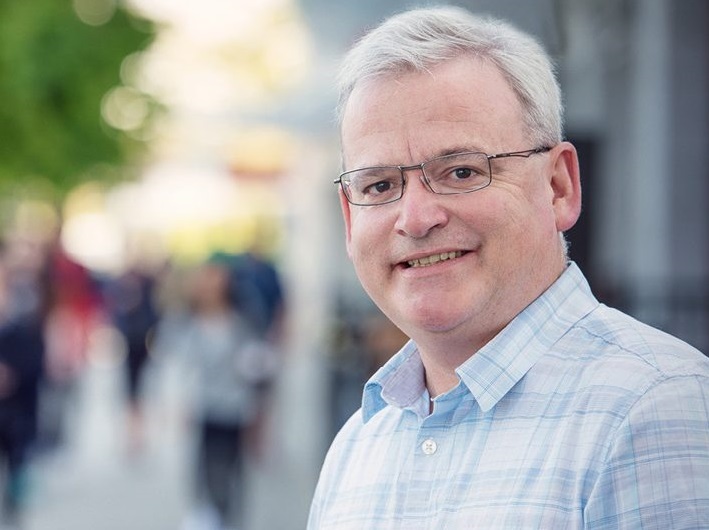
New paper by Dr. Guy Faulkner and colleagues on physical activity as a coping strategy for mental health during COVID-19
COVID-19 was declared a global pandemic by the World Health Organization on March 11, 2020. The COVID-19 pandemic and resulting social disruption has left many to struggle with changes to routines and feelings of uncertainty as the impact of the virus continues to unfold. Evidence suggests an increase in symptoms of anxiety, depression, and stress as a result.
Read the paper here: https://www.frontiersin.org/articles/10.3389/fcomm.2020.571833/full.
Call for nominations: Student Representative to UBC Vancouver Senate
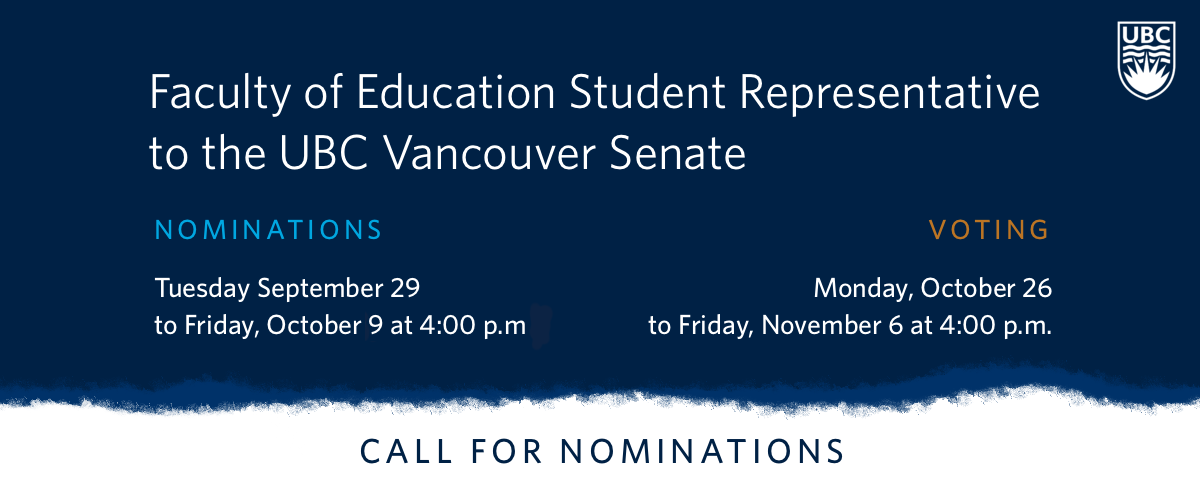
As part of the School of Kinesiology in the Faculty of Education, KIN students are eligible to nominate candidates to stand for election as a Student Representative to the UBC Vancouver Campus Senate. The successful candidate will represent the student body on behalf of the Faculty of Education for a one-year term from October 1, 2020 to September 30, 2021. There is one (1) position.
Nominations are due no later than 4:00 p.m. on Friday, October 9, 2020. Instructions for completing and submitting the form are on the form itself.
If you have any questions about how to complete or submit a nomination package, please contact:elections.information@ubc.ca.
New Paper Out
Sep. 24, 2020 – New paper out by Dr. Guy Faulkner and colleagues on physical activity as a coping strategy for mental health during COVID-19. Read it here!
Hanson, Jessica
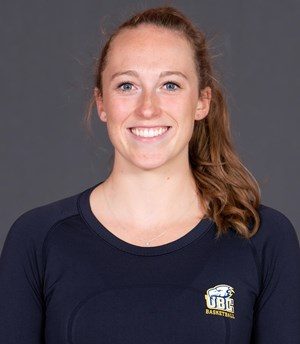 Jessica Hanson, BKin 2020, balanced the demands of academics and athletics while playing on the varsity women’s basketball team for five years. Leading as captain for three of her five years, and achieving Academic All Canadian status in the classroom, Jessica averaged over 80% in the classroom her last 3 years. No stranger to the Vancouver campus, daughter of Kevin Hanson, UBC BPE/Kinesiology graduate ’88, followed in her father’s footsteps playing basketball while achieving an undergrad degree at UBC.
After her dad was named Head Coach of the UBC Men’s Basketball Team in 2000, War Memorial gym became a second home to Jessica, spending a big part of her childhood learning about the game and becoming familiar with the beautiful campus. She will be returning back to the School of Kinesiology this year online, beginning her studies in the MKin program, where she will be focusing on the coaching science and psychological aspects of sport. In addition to this, she will once again be tackling the challenge of balancing academia and sport as she will be off to Ireland to begin her first year of playing professional basketball overseas.
During her undergrad, she began her coaching career with UBC basketball summer camps. In addition, she joined the coaching staff of Split Second Basketball, a Vancouver lower mainland basketball club, where she lead a mentorship program for young aspiring girls, and also acted as assistant and head coach for the past 3 years. Jess believes there is great opportunity for women in sport to have a positive influence in the lives and development of young upcoming athletes, as well as make a difference in the community. Her passion for both playing and coaching are fueled by the powerful impact that leaders in the sport community can have, as well as her desire to give back to a sport that has given her so much. More recently, Jess has taken part in Vancouver Basketball Foundation’s monthly Grow The Game Women’s Roundtable events, discussing various topics with other female coaches and leaders across the province and country.
Two notable professors for her were also strong female role models through sport and academia themselves, Dr. Maria Gallo, and as Dr. Carolyn McEwen.