June 5th Webinar - Regulation of cerebral blood flow in humans; Old concepts, new ideas

June 5th Webinar – Regulation of cerebral blood flow in humans; Old concepts, new ideas

The Schools of Kinesiology (UBC Vancouver) and Health and Exercise Sciences (UBCO) are co-hosting a weekly webinar series featuring current faculty research topics. The series runs May through June. All are invited to attend these free academic presentations on Friday afternoons from 3:00pm-4:30pm PST.


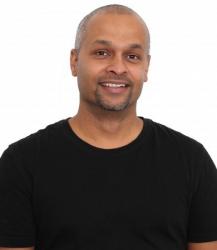
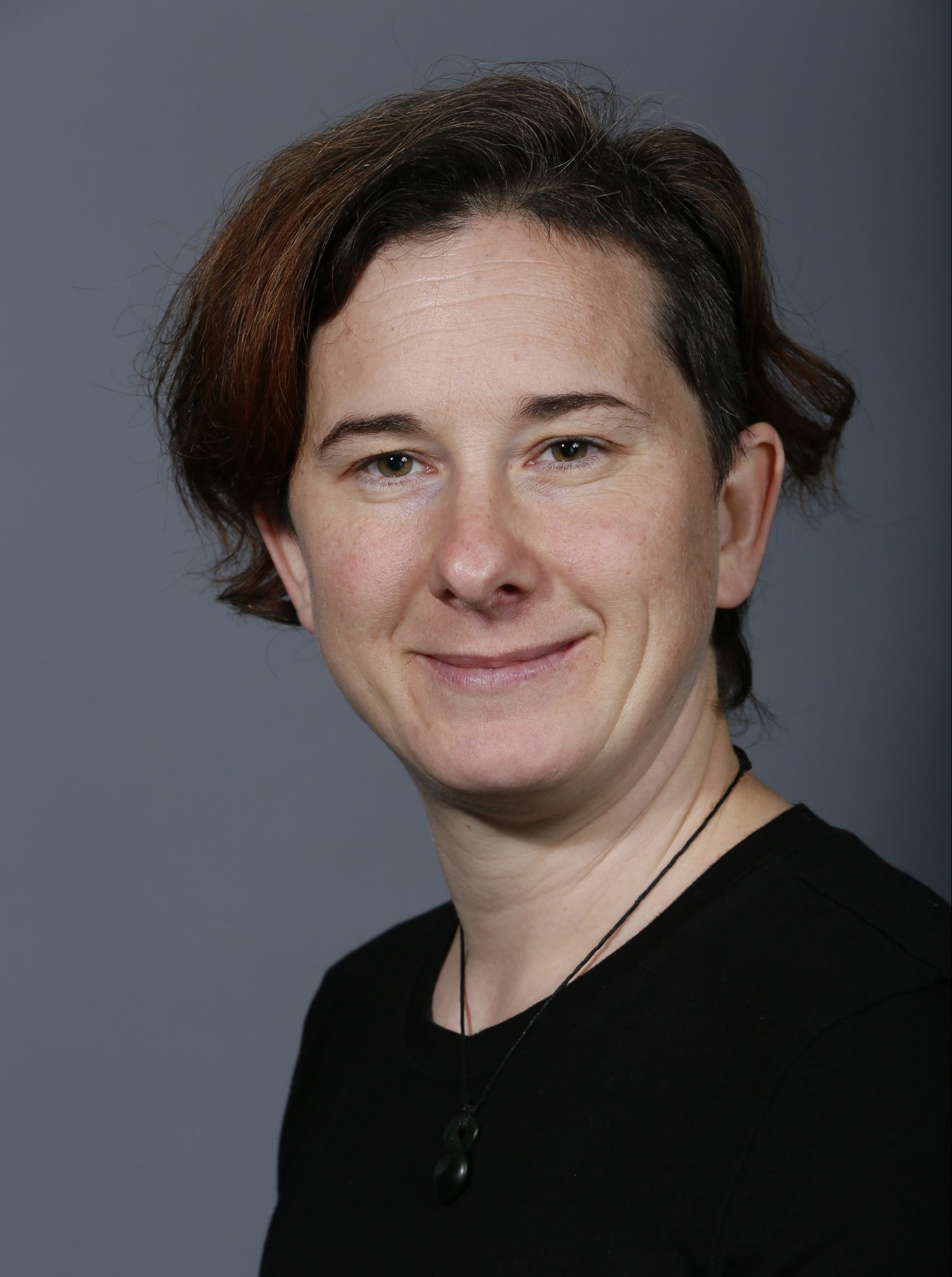
Dr. Philip Ainslie, UBC Okanagan
Professor
School of Health and Exercise Sciences
Co-Director, Centre for Heart, Lung & Vascular Health

Title: Regulation of cerebral blood flow in humans; Old concepts, new ideas?

Description: Relative to its size, the brain is the most oxygen-dependent organ in the human body. This presentation will discuss older concepts and new ideas on the fundamental mechanisms that regulate brain blood flow in health, disease and during environmental extremes. The implications for understanding brain health and future research avenues will be discussed.

Details:
Friday, June 5, 2020
3:00pm – 4:30pm
All Welcome – Free admission
Zoom link

Arielle Sadaka

Arielle Sadaka will graduate with a Bachelors of Kinesiology in the Interdisciplinary Stream on June 17, 2020. As a Varsity athlete and captain of the UBC Track and Field team, Arielle was a highly active member of the Kinesiology student body.

Hailing from Montreal, Arielle was a transfer student from Dawson College who first went into UBC’s Faculty of Science, however, she quickly found she was much more suited for Kinesiology. “When I transferred to Kin, I found that I was seeing many of the same people in my classes which made it easier to start talking in class, and eventually outside of the classroom. With Kinesiology being a smaller School in contrast to larger faculties, it allows individuals with similar interests to meet and learn together, creating a really great environment!” says Arielle.

During her years at UBC, Arielle was a valuable member of the Student Athlete Mental Health Initiative (SAMHI) and served as co-lead in her second year. This initiative strives to promote the importance of mental health amongst athletes by increasing awareness and aims to reduce stigma. Arielle also volunteered for the I’m Going to UBC (IGUBC) program where she worked as the Program Assistant. The IGUBC invites elementary school children from inner-city schools to UBC, where Varsity athletes lead children on tours of the campus, engage them in a skills clinic and bring them to a varsity game! This past academic year Arielle also took part in the Campus Kinnection program which she says, “was a great way to connect with a first-year student and hopefully be a role model and a part of their support system at UBC.”

Looking back at her UBC track experience Arielle says, “the thing that sticks out the most is the many different, amazing people I was able to meet and connect with during my time on the team and at UBC. Coming into UBC, I really didn’t know anyone in Vancouver and was worried about meeting people on such a large campus with such a big student body. However, I immediately was welcomed by my team which made the transition so much easier and led me to make lifelong friends.” Unfortunately, Arielle’s grad track season did not occur due to COVID-19, however her proudest moment is still fresh in her mind. “My proudest moment would definitely be when the women’s team won the 2019 NAIA Championship last year, I am really grateful that I was able to be part of such a historic win!” says Arielle.

As for her ability to successfully juggle track, academics and other extracurriculars, Arielle advises “the most important thing is to be organized and try not to take up more than you can balance. I also think that being surrounded by student athletes allowed me to meet peers juggling similar things, so it did not feel like I was alone in my challenges to juggle track, school and everything else. It had also allowed us to share techniques to try to be more efficient with my time and reduce stress.”

Arielle will be continuing her education at McMaster University in the MSc Physiotherapy program as she “had the privilege of working with many therapists through my athletic career which has just solidified my interest to enter the field.”

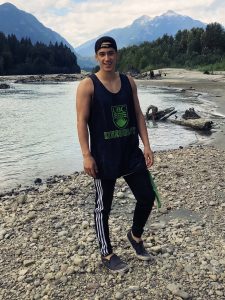
Brandon Lam

Brandon Lam is set to graduate on June 17th, 2020 with a Bachelor’s degree in Kinesiology in the Interdisciplinary Stream. Upon transferring into UBC from Capilano University, he immediately became heavily involved within the Kin community.

Looking back at his UBC KIN journey, Brandon says “The School of Kinesiology is like no other school at UBC. I was welcomed with open arms by students of all years, both inside and outside of the classroom. My first Kin event was Kin Camp — a weekend camping trip for first years and transfer students to mingle and connect with people that they’ll spend the next few years alongside. After that, I was hooked on everything kinesiology! I started attending more kinesiology events which led me to work with the KUS. Without the ‘Kin-munity’, and the relationships I have created along my entire undergraduate degree, I would not be the person I am today.”

Brandon was an active contributor to the School. He served as the KUS Vice President of Student Life, coordinating traditional School events such as the KIN Boat Cruise, the Ski Trip, formal dinners, sport weeks, and networking events. For the past 3 years, Brandon has also enjoyed being a team member of the UBC Kin Games, a Canada-wide university “Kinesiology Olympics.” Brandon worked for 3 placement semesters in the Kinesiology Co-op program, and states that the experience helped him immensely to improve and fine tune his resume, and build his interview and skill acquisition abilities. Brandon says that his Kinesiology background has permitted him to find many volunteer opportunities and part-time jobs, some of which include becoming a RYU Campus Connector, assisting the Canucks Ice Team, and working in fitness facilities.

After graduation Brandon will apply to do a Master of Physical Therapy, and hopes to one day fulfill his dream of becoming a physiotherapist and opening up his own clinic or working alongside a professional sports team.


Brandon’s Advice for First Years and Transfer Students: “Get involved! Whether it be with the KUS or any KIN opportunities or events, you never know who you’ll meet or what could spark a new interest.”

June 9th, Tuesday: Assessing and training Perceptual skills in hitting sports

Dr Sean Müller is a senior researcher specialised in the field of expertise and skill learning in sport. A focus of his research has been to understand how experts use visual information to anticipate in sport, as well as how anticipation can be trained and transfers to field settings. Dr. Müller has also conducted interdisciplinary research that combines visual anticipation with biomechanics and decision-making with sport psychology. He has an in-depth knowledge of perceptual-motor skill learning, feedback, and instruction principles for sports skills. Dr. Müller has collaborated with several sports organisations such as Cricket Australia, Hockey Australia and Tampa Bay Rays Major League Baseball Organisation. Findings from his research have been used to assess and train athletes in a variety of sports.


Dr Müller’s presentation will discuss the importance of visual anticipation and decision-making to expert performance in sports. His presentation will be structured into three parts. Part one, will make the case for why anticipation and decision-making are vital in order to guide action in high-speed sports skills. Part two, will outline how anticipation and decision-making can be assessed in athletes using video simulation and field-based tests. Part three, will explain how anticipation can be trained and whether it transfers to field settings. His presentation is relevant to managers, coaches, analysts, and sports science support staff who are involved in athlete development across the skill continuum.

Details:
Tuesday, June 9th
4 pm – 5 pm
Zoom Link

Kinghorn, Marilyn Peterson

When Marilyn Peterson attended UBC she executed one of the most impressive and versatile athletic careers in the School’s history. Between 1957 and 1961 she was a star on the Thunderbird basketball team, a high-scoring Varsity field hockey player and an outstanding Varsity volleyball player.

At UBC she was considered one of the top basketball players as she was selected to the team representing BC at the 1959 national championships. In 1960 she was a key member of UBC’s first Western Canadian women’s basketball champions, a title she and her teammates would win again in 1961. At this same time, she led the UBC volleyball team to its first Western Canadian university title — this all before the existence of national university championships for women.

1960 was a good year for Marilyn; not only did she play for two champion teams in two different sports but she served as vice-president of the UBC Women’s Athletic Directorate and president of her sorority. That year she was the very first recipient of the Barbara ‘Bim’
Schrodt Trophy (now the Marilyn Pomfret Award), naming her the top UBC female athlete of the year and recognizing Marilyn for her skill, athletic service and participation.

Marilyn graduated with a BPE in 1961 and was among the select few to be initiated into UBC’s honorary sorority, Delta Sigma Pi. These inductees were selected on the basis of the quality of their scholarship, leadership and service.

Marilyn later married fellow Physical Education graduate Bruce Kinghorn (BPE’63). Marilyn would go on to serve in both Kinesiology and Education as a faculty advisor for three decades. A friend of UBC, in 2000 she was inducted into UBC’s Sports Hall of Fame.

Written by Fred Hume, UBC Historian

May 29th Webinar – Quantifying pain: Is it possible and should you care?

The Schools of Kinesiology (UBC Vancouver) and Health and Exercise Sciences (UBCO) are co-hosting a weekly webinar series featuring current faculty research topics. The series runs May through June. All are invited to attend these free academic presentations on Friday afternoons from 3:00pm-4:30pm PST.


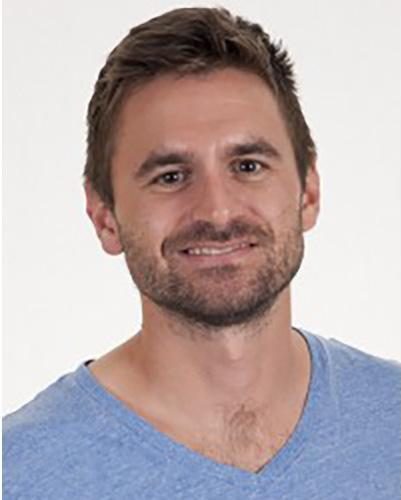
Dr. John (Kip) Kramer, UBC Vancouver
Assistant Professor
School of Kinesiology
Michael Smith Foundation for Health Research and Rick Hansen Institute Scholar

Title: Quantifying pain: Is it possible and should you care?

Description: Presentation will cover emerging concepts related to the measurement of pain using quantitative techniques, including electrophysiology and neuroimaging. Focus on underlying neurophysiology and anatomy of pain, with applications to kinesiology.

Details
Friday, May 29, 2020
3:00pm – 4:30pm
All Welcome – Free admission
Zoom link

April 30 Event Recap: UBC Sport Science Speaker Series


The UBC Athletics Sport Science & Sport Medicine team successfully delivered its first-ever virtual Sport Science Speaker Series on Thursday, April 30th. As a result of the Covid-19 outbreak, this event was held in place of the annual UBC Sport Science Symposium and featured four distinguished UBC School of Kinesiology alumni who have pursued careers in Sport Science and Strength and Conditioning.


Joe Vecchione (MSc 2020) led off the event by sharing his remarkable career journey as a Strength and Conditioning Coach. From training athletes with the Canadian Sport Institute in Ontario, to training athletes out of a gym he built in his garage, to his current position as the Lead Physical Preparation Coach for the Vancouver Whitecaps academy, Joe reflected on his experiences to share valuable insights.


His three takeaway key tips were:

1. Define WHY you coach in one word.
2. Find a way to make things work.
3. Get experience in the sport and level you want to work in.


Jack Boyle (MKin 2016), the Head Strength and Conditioning Coach at Mount Royal University, then followed up with some of his coaching philosophies when addressing the COVID-19 pandemic. Jack noted that fundamentally, our body must be able to balance the stress of our environment (including strength training, family, and school) with healthy coping strategies, or we will not have a positive adaptation to the stress. In light of the increased stresses, Jack prescribed yoga, walking, and “feel-good” workouts to athletes when the current health situation first arose, and has developed a re-integration plan to allow his athletes to steadily return to more intense programming throughout the summer.


Dan Adams (BKin 2016) presented on how technology is changing baseball and provided some deeper insights into the now commonplace advanced analytics that have outpaced those of any other sport to date. Dan reviewed how Driveline Baseball (where he is currently the Operations Manager) uses high-speed cameras and other tracking devices to address two key questions: 1) What is the ball doing; and 2) What is the body doing!

You can find more details regarding the technology used here.  While Dan’s focus is primarily on baseball, this model of analysis and testing could be applied to elite athletes in many different sport disciplines, from volleyball and tennis to football and golf.


Carmen Bott (BHK 2002; MSc 2005) concluded the event with a timely presentation on navigating the differences between laws, standards, guidelines, and a code of ethics, and how those of us involved in sport can navigate these uncertain times with a strong Code of Ethics. Carmen emphasized that: “Ethics should be about sport morality because it is centred on the notion of trust between the (S&C) coach and the athlete.” She provided a research-based framework for strength and conditioning coaches to build an effective Code of Ethics, and suggested that coaches consider four key areas:
1) Training Program Design;
2) Fairness and Equal Treatment;
3) Duty of Care; and
4) Respect and Empowerment.

The event proved to be very popular and engaging, with over 70 active participants tuning in. As a result, the Sport Science & Sport Medicine team will be making the series a regular occurrence that will take place on the last Thursday of each month.

The next Sport Science Speaker Series will take place on Thursday, May 28th, from 1:30 pm to 3:30 pm.
For more information about the next Sports Science Speaker Series and registration, click here. | Password: ubcperformance
Experiential Learning: Lessons in Community from the Musqueam

Kin 489B is a fascinating course because of its blended learning format. Students are encouraged to apply the theoretical knowledge learned in class to real-world issues facing Indigenous communities in the form of experiential learning placements. Within these placements, students gain a greater understanding of the complexities of healthy living within Indigenous communities. Effective partnership with Indigenous community leaders is integral to a successful experiential learning placement and is a key learning outcome for the course. Furthermore, identifying and developing evidence-based best practices for healthy lifestyle interventions within Indigenous communities, as well as demonstrating problem-solving and critical thinking skills in an appropriate and collaborative group setting are other notable learning outcomes for the course.


Participating in community experiential learning was undoubtedly a new undertaking for many members of the group; however, we were all extremely pleased with the entire volunteer experience.  Our volunteer student team requested to work with the. On the first day after being introduced to the Indigenous community, we began our project with a goal to advertise our walk and run group by handing out informative flyers. In doing so, we had the opportunity to interact with many members of the community and gain initial insights into community aspirations for the ‘walk-run’ group. We conversed with community members about perspectives of Indigenous health and wellness, as well as being educated on local Indigenous culture and traditions. For instance, our group met with one particular individual who took the time to explain the historical and cultural context behind the various house posts that we saw when arriving at the Musqueam Indian Band community.

The ‘walk and run’ training days were equally pleasant to partake in on the traditional and unceded territory of the Musqueam community. With each session, our team chose to pair up with a new participant in order to share our connection within the community. Some extremely meaningful conversations arose from simply walking alongside these participants, as many were willing to share certain concerns that may have been inhibiting their ability to walk or run on a regular basis.

As UBC Kinesiology students, we tried our best to make suggestions if requested. However, many of the community participants had already been working with health professionals. As such, our volunteer student team chose to incorporate a strengths-based approach, where we instead opted to focus on the physical activity successes of each participant. Current Western physical activity guidelines are neither culturally relevant nor safe for Indigenous communities. Seeing as historical, cultural, and traditional ways of knowing are valued in Indigenous communities, a strengths-based approach can incorporate these aforementioned factors to promote culturally relevant and safe physical activity for Indigenous communities.

The strengths-based strategy was also incorporated into our warm-up and cool-down routines. This was done as our goal was to create a fun routine that worked as a way for everyone to start moving, feel comfortable, and finally wind down to re-enforce the positive experience of being physically active. In order to accomplish this, our team focused on movements that the participants were able to execute rather than having exercises that were problematic. Our team was well-equipped to provide alternative warm-up and cool-down routines to evade the possibility of re-aggravating prior injuries or aches.

On the rare occasion when participants were unable to attend our walk and run training sessions, our team still made sure to walk around the neighbourhood to continue to foster a sense of community amongst our walk and run group. Our team saw first-hand how important building a sense of community was, as many of our regular participants would bring their friends and colleagues for a quick exercise session. Our lessons in Kin 489B had provided us with an understanding of the importance of fostering community relations, and this became an integral part of the success of our community-based walk-run group.

~ Nima Elmi (BKin 2020)

Milly Zaletelj

Milly Zaletelj, MA 2019, PARC Manager

Milly Zaletelj is a UBC KIN alumnus who has been selected as a KIN Community Champion. She is to be commended for her dedication to inclusion and accessibility for those with disabilities, and her commitment to ensure this community has continued access to resources and supports throughout the COVID-19 pandemic.

_____________________________________________

Milly, who was born and raised in Slovenia, had worked as a personal trainer for a decade before pursuing her academic studies at the School of Kinesiology. In 2017, Milly started her master’s thesis supervised by professor Andrea Bundon on the topic of “Disability in the Gym: Perceptions and understandings about individuals with disabilities”. Personal trainers and instructors were interviewed to explore how individuals with disabilities were perceived and understood, and how those perceptions and understandings broke down or reinforced barriers for people with disabilities when they visit the gym.

Upon graduating from UBC with her Master’s degree, Milly says that “the experience I gained about the current understanding of disability and people with disabilities in Vancouver, informed my career choice. I realized that there was a huge lack of physical activity services offered to people with disabilities in the able-bodied environment, and so I felt compelled to remain in the disability sport field.”

Consequently, Milly was delighted to have landed the newly created position of manager of PARC (Physical Activity Research Centre), which aligned well with her values and training. PARC is an interdisciplinary organization that started in 2013 as part of ICORD (International Collaboration on Repair Discoveries) which is under the UBC Faculty of Medicine and the VCH Research Institute.

With a mission to help support and improve the quality of life for those with spinal cord injuries, and to create a more livable life through physical activity, PARC is a community-based research centre that also offers a gym facility. Gym membership is free to anyone with a spinal cord injury in exchange for agreeing to partake in research studies. The facility is equipped with high-end fitness equipment, including HUR multi-function strength training machines, and it offers numerous exercise classes including adaptive spin classes, boxercise and circuit functional training.

While PARC is a research centre, it is also an important place of community; with over 420 registered participants, 1 full-time, 5 work-learn Kinesiology students and 50 volunteers – comprised mostly of Kinesiology students – PARC acts as an important resource centre and social network for the all the people involved.

Needless to say, it was a blow to the community when the facility was forced to close down due to the COVID-19 outbreak. Milly, just 8 weeks into her job, moved quickly to ensure that the higher risk population utilizing PARC continued to receive access to exercise classes and social supports. Milly and her team worked round the clock to produce online classes and to implement a weekly phone check-in with PARC members. Milly’s dedication to this community has meant a world of difference to people with spinal cord injuries.

With the current social distancing protocols in place, Milly and 5 Kinesiology work-learn students acted quickly to design a number of new online exercise classes to offer to PARC members. Currently there are 5 classes being offered every week, Monday to Friday, that cover different intensities and types of training. During these classes, one student instructor leads the class while another demonstrates the exercises and offers variations to ensure an inclusive class in which all participants can partake. Using items found at home such as soup cans, elastic bands and sometimes dumbbells, three of the classes are focused on strength and cardio.

The requirements of social distancing and isolation have created further challenges for PARC members. In order to mitigate some of the impacts, Milly has added 2 more programs offered online for the community. “Namastay Fit” focuses on meditation and stretching, while “A Chat at the PARC” ensures that participants may continue to come together for social and conversational time.


“I appreciate reconnecting with my community at PARC through the online sessions that are being offered. The benefits of exercising, the pleasure of seeing the work-learn students take on new online teaching roles, talking with them and fellow participants, and continuing the mutual support that is so much a part of our community. This is so important to me as we continue social isolation, especially with so many of us being vulnerable.  Thanks to Milly and the students for all their efforts.”  – Linda Hunt, PARC Participant


Many PARC participants are immunosuppressed and are at higher risk of contracting COVID 19. This means that the ability to utilize an online platform that permits people to connect with one another is extremely important for their mental health, as well as for maintaining connections and to keep the community thriving.

“I’m motivated to go to work every day because of the small, but essential differences we’re making at PARC. Even though it’s hard for everyone to go outside, seeing everyone work out together online and the new connections being made makes my work meaningful” says Milly.

Not only does PARC offer great benefits to the participants involved, but it also provides great value to volunteers and staff. PARC opens the door to ask questions about disabilities, change perspectives regarding what a disabled person can achieve and hopefully, in the future, diminishes the stigma against those with disabilities in society.

It is hard to say when PARC’s doors will reopen, but the staff hopes to continue to offer online classes to better the health, both physically and mentally, for those with disabilities.


If you are interested in learning more about PARC, please contact: milly.zaletelj@ubc.ca

May 22nd Webinar – Exercise and Spinal Cord Injury: From Guidelines to Practice

The Schools of Kinesiology (UBC Vancouver) and Health and Exercise Sciences (UBCO) are co-hosting a weekly webinar series featuring current faculty research topics. The series runs May through June. All are invited to attend these free academic presentations on Friday afternoons from 3:00pm-4:30pm PST.


Dr. Kathleen Martin Ginis is a UBC Distinguished University Scholar, a Professor in the Department of Medicine and the School of Health and Exercise Sciences, holds the Reichwald Family Chair in Preventive Medicine, and is the Founding Director of the Faculty of Medicine’s Centre for Chronic Disease Prevention and Management.

Presentation Description:
People living with spinal cord injury are at the lowest end of the physical activity spectrum, engaging in just a fraction of the activity performed by the general population. These low levels of physical activity are a consequence of the tremendous barriers to participation faced by people with disabilities. One significant barrier is a lack of basic, evidence-based information on how to be active after a spinal cord injury. To address this problem, In 2017, an international team developed scientific exercise guidelines for adults with spinal cord injury. In this presentation, the process for developing the guidelines will be shared, along with examples of completed and ongoing research and implementation projects to bring the guidelines into community and clinical practice. The importance of increasing the quality—not just quantity—of physical activity participation will also be discussed. Specific techniques will be shared for fostering quality physical activity experiences among people with spinal cord injury and other disabilities.

Details
Friday, May 22, 2020
3:00pm – 4:30pm
All Welcome – Free admission
Zoom link