By Eric Chau, Zoe Sarafis, Brian Hayes
Are you a UBC kinesiology student interested in the sciences? If you are, this article was written for you!
As kinesiology students, we study exercise and movement sciences, encompassing in part, theoretical analysis in biomechanics, anatomy, and physiology. But, have you wondered how the information that we learn in a classroom is generated, validated, and disseminated? Research is required to uncover and expand upon our knowledge of microscopic and macroscopic mechanisms underlying physiological, biochemical, and biomechanical functions. Research can help us understand what processes are involved in response to activity or how exercise and/or physical trauma alter bodily functions, as well as organ cell composition and structure. Similarly, in vivo and in vitro imaging in pre-clinical research is able to map anatomical structures and use computed simulations to conduct a functional analysis of organs and tissues. Data generated from such research is statistically analyzed to confirm the significance of the research results, which can then be used as the basis for translation into the human context. UBC offers numerous opportunities for Kinesiology students to explore and participate in research. Here, we provide an overview of our collective experiences in a variety of research areas at the International Collaboration on Repair Discoveries (ICORD), a world leading centre for translational spinal cord injury (SCI) research located at Vancouver General Hospital. Collectively, our experiences have enhanced our learning, provided us networking opportunities with current experts in the field, and allowed us to contribute to the communal effort towards SCI research.
Eric
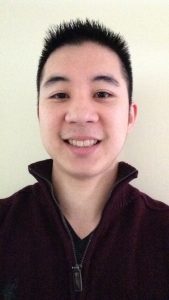 My name is Eric Chau and I am entering my fourth year in the Interdisciplinary Studies Stream in Kinesiology. I have had the opportunity to become involved in Dr. Christopher West’s lab at ICORD as a volunteer research assistant for the past year. Collectively, my experiences have included assisting in a variety of imaging and measurement techniques to capture the changes to cardiac function following SCI. My current project, which ties into my Kin 499 directed studies, involves individual work contributing to a larger study investigating the effects of minocycline (an anti-inflammatory drug) on cardiac function following experimental SCI in rodents. Specifically, I analyze and compile in vivo data on heart and cardiovascular (CV) function at different timepoints of the study. During my time here, I have learned the merits of innovative techniques such as pressure-volume catheter conductance technique, magnetic resonance imaging, and echocardiography in addition to operating their respective analytical software. Individually, these techniques provide us information on structural dimensions and hemodynamic indices, but together, they can paint a more comprehensive picture of the vast physiological changes that we can see following SCI. From taking part in the live surgeries and recordings, to analyzing and organizing the data, I can firsthand observe the process of how raw measurements from complex lab techniques are converted into sound results for publication.
Highlighted personal benefits:
- Applied theoretical concepts to recognize irregular data/outliers and attempt to explain the physiological basis behind the patterns we observe
- Increased expertise and knowledge around common laboratory imaging techniques used to gather data on important outcome measures
Zoe
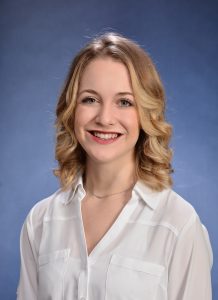
My name is Zoe Sarafis and I am entering my fourth year in the Kinesiology Health Science Stream. Through the UBC Faculty of Medicine Summer Student Research Program, I had the opportunity to conduct a research study on SCI in Dr. Andrei Krassioukov’s laboratory this summer. My 8-week project was aimed at evaluating the effects of SCI on the brain. Following SCI, instability results in the autonomic system controlling involuntary bodily functions, causing low resting blood pressure and episodes of transient high blood pressure, termed autonomic dysreflexia. In both able-bodied and spinal cord injured individuals, hypertension, or high blood pressure, mediates an increased risk for stroke and cerebrovascular dysfunction. My project thus aimed to elucidate the cerebral consequences resulting from SCI, by quantifying morphological changes in the brain following SCI. I specifically assessed blood vessel density, cerebral blood vessel fluid leakage, and neuronal density in the hippocampus of spinal cord injured and uninjured animals, using biologic markers. The project required me to learn and apply complementary techniques in immunohistochemistry, such as tissue sectioning, immunofluorescence staining, imaging and performing statistical analysis to validate my experimental results. The outcome of my project will contribute to a larger research initiative aimed at understanding the cerebrovascular consequences of exposure to autonomic dysreflexia in individuals following SCI.
Highlighted personal benefits
- Learned technical laboratory skills in biochemistry, including tissue sectioning, immunofluorescence staining, and imaging on confocal and epifluorescence microscopes
- Refined my ability to critically evaluate scientific claims and formulate a research plan
- Learned to draft and execute an experimental design and developed project management skills
Brian
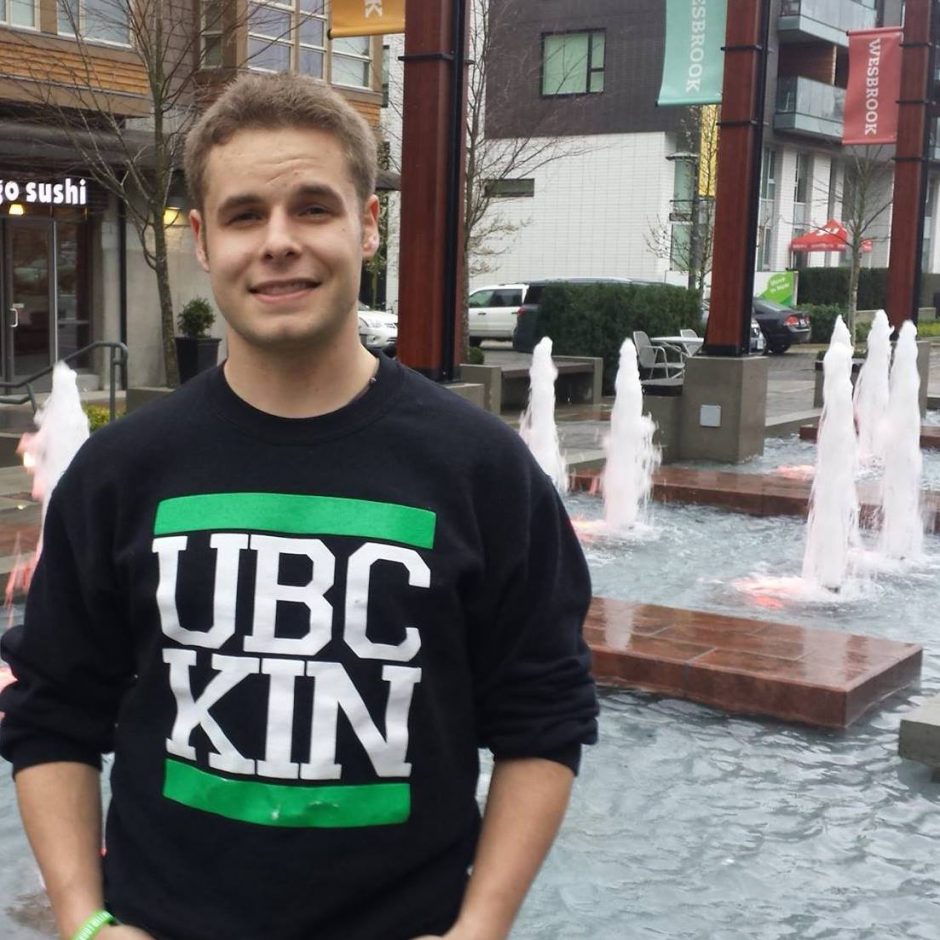
My name is Brian Hayes and I recently graduated with a BKin in Health Sciences. I became involved in Dr. West’s lab at ICORD initially as a volunteer research assistant conducting data analysis. I learned that CV issues are actually the primary cause of death following SCI, and to date, our understanding of the exact impact of SCI on the CV system is based off of studies using load-dependent measures of cardiac function. While this is informative, it only allows for the study of the CV system as a whole, opposed to isolating study of the heart in vivo. My initial project involved working with Dr. West to analyze load-independent pressure-volume cardiac data obtained directly from within the left ventricle of rats with varying levels of SCI. Later, I had the opportunity to formulate my own Kin 499 project. The specific aim of my project was to analyze heart tissue from uninjured rats and rats with T2 or T10 SCI to explore the impact of varying levels of SCI on the structure and function of the left ventricle. During this project I learned how to perform immunohistochemical staining, fluorescent light microscope imaging, and how to analyze and statistically compile the data in graphing software. The results corroborated with other findings from Dr. West’s lab, indicating that many of the profound changes seen in the CV system following SCI may not be due to the loss of muscle function, but to the loss of sympathetic activity below the site of injury. I was required to write a full scientific report and a give a ten minute presentation to share my findings with a group of researchers at ICORD. Lastly, I had the opportunity to do a poster presentation about my study at ICORD’s annual research meeting, which provided exposure to additional facets of research and science.
Highlighted personal benefits
- Learned how to perform numerous histochemical assays and analytical measurements, such as immunohistochemical staining, fluorescent light microscopy and pressure-volume loop analysis
- Learned to write a full research report, how to structure a presentation about research findings, and how to make and present a research poster
Although each of our experiences have been unique and we have contributed to separate projects, working at ICORD has provided us all with an incredible opportunity to participate in cutting edge research in the field of SCI, and to interact with a team of researchers comprised of clinicians, postdoctoral fellows, technicians, graduates and undergraduates. Together, we have been challenged to think strategically, reason, and work through problems encountered throughout the course of our projects. Working in a new environment has helped us to expand our personal skillsets, and has given us confidence to undertake other novel tasks. We believe working in research fosters both independence and teamwork, compelling us to continually search for answers and to collaborate with others. But most importantly, we were able to contribute to a larger research effort to address the secondary consequences emanating from SCI and now recognize the importance of the research we are conducting to the lives of individuals with SCI. We would like to thank Dr. West, Dr. Krassioukov, and Dr. Aaron Phillips for providing us both the guidance and the opportunity to translate theoretical principles we have learned throughout our kinesiology degrees into tangible lessons for personal growth as academics, and to join a community that continually strives to advance the field of SCI. Our experiences in the labs at ICORD have been truly invaluable, for which we will take with us to our future endeavours.
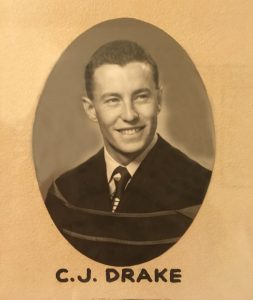 Congratulations to UBC Kinesiology alum Clare Drake, who was inducted into the Hockey Hall of Fame on Monday, June 26, 2017.
 Dr. Guy Faulkner is a Professor in the School of Kinesiology, head of